An earthquake has just struck a remote village. Roads are cracked, bridges have collapsed, and the electricity is out. A doctor panics in a makeshift emergency hospital as the insulin supply runs low. If the medicine does not arrive in time, a patient’s life will be at risk. But amid such chaos, how can the safety and efficacy of critical medications be ensured?
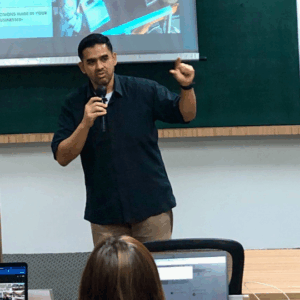
In situations like these, pharmaceutical logistics is more than delivering goods—it’s a mission to save lives. This was the core message of a recent International Transportation Logistics course session featuring guest speaker Berty Argiyantari, Chief Executive Officer (CEO) of Mostrans. Berty is the founder of the logistics company, which he claims has revolutionized drug distribution.
“How do you think medicines get to hospitals and pharmacies?” Berty asked, opening the session. “Medicines are not just everyday products that can be shipped casually. Each one has specific storage requirements and strict regulations; even the slightest mistake during transport can have dangerous consequences for patients.”
Unlike food or consumer goods, pharmaceutical products demand specialized handling, especially regarding temperature, humidity, and regulatory compliance. Medications such as vaccines, insulin, and certain antibiotics must be kept at stable temperatures throughout shipping. A significant temperature fluctuation could compromise their effectiveness, posing serious risks to patient health.
Berty stressed that without rigorous distribution protocols, medications could lose their efficacy before reaching patients. The pharmaceutical industry requires a highly structured, technologically advanced logistics system with stringent standards.
“Mostrans has developed an AI-based temperature monitoring system and smart sensors that help ensure medications remain in optimal condition throughout the supply chain,” he explained.
This innovation is particularly vital for delivering drugs to remote or disaster-affected areas. Using the cold chain system developed by Mostrans, each shipment box can maintain the correct temperature, even under extreme conditions.
“In the event of an earthquake, flood, or other health crisis, traditional delivery methods are no longer viable,” Berty said. “We need emergency transportation systems that can ensure the integrity of pharmaceuticals.”
In such emergencies, drug distribution is typically coordinated by government and military agencies in collaboration with logistics companies like Mostrans. Delivery vehicles have specialized systems that maintain internal temperatures even without electricity.
For instance, during the distribution of COVID-19 vaccines to remote locations, similar technologies were used to ensure vaccines remained at the required temperature throughout the journey.
“Disasters can strike at any time, and without a robust pharmaceutical logistics system, countless lives could be in danger,” Berty emphasized. “That’s why innovation in drug delivery is essential. We often don’t consider how medicines reach us, but behind every pill is a long journey filled with challenges. Each challenge must be met with technology, strict regulation, and continuous innovation.”