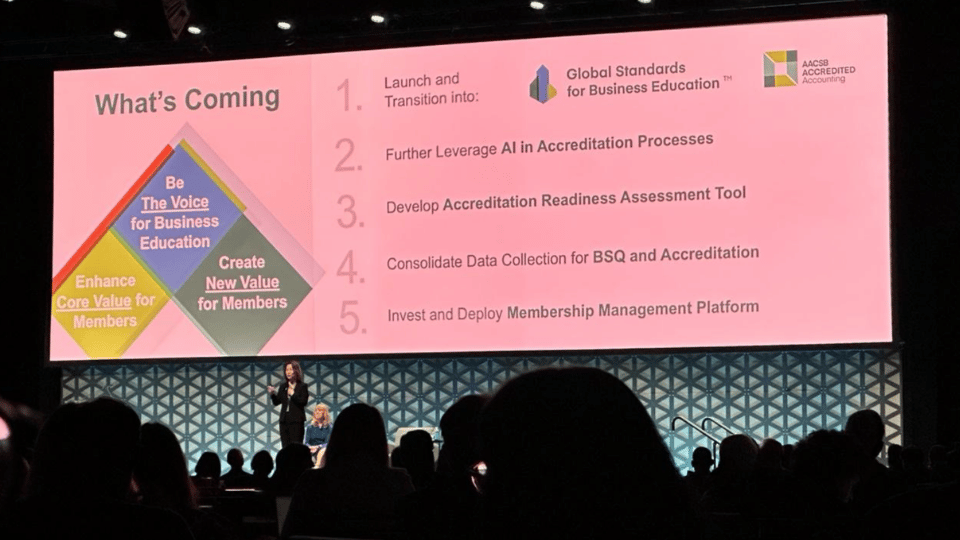
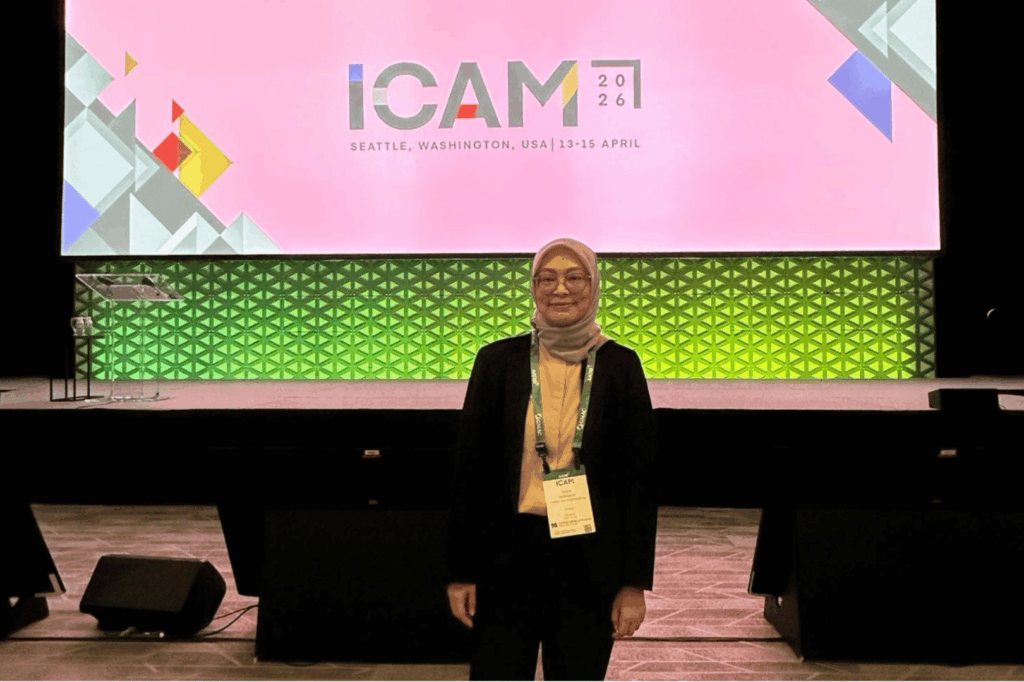
The School of Business and Management, Institut Teknologi Bandung (SBM ITB), has begun preparing for an artificial intelligence (AI)-based educational transformation following its participation in a global forum organised by the Association to Advance Collegiate Schools of Business (AACSB) in the United States in April 2026. This step marks the institution’s efforts to respond to the increasingly digitalized landscape of higher education.
The transformation not only targets the curriculum, but also learning methods and student assessment systems. Dr. rer. pol. Eko Agus Prasetio, S.T., M.B.A., Vice Dean for Academic Affairs at SBM ITB, stated that his participation in the AACSB AI Workshop and the International Conference and Annual Meeting (ICAM) opened new perspectives on the role of AI in education.
According to Eko, AI is no longer merely a tool but has evolved into an integral part of the learning ecosystem, from curriculum design to student evaluation.
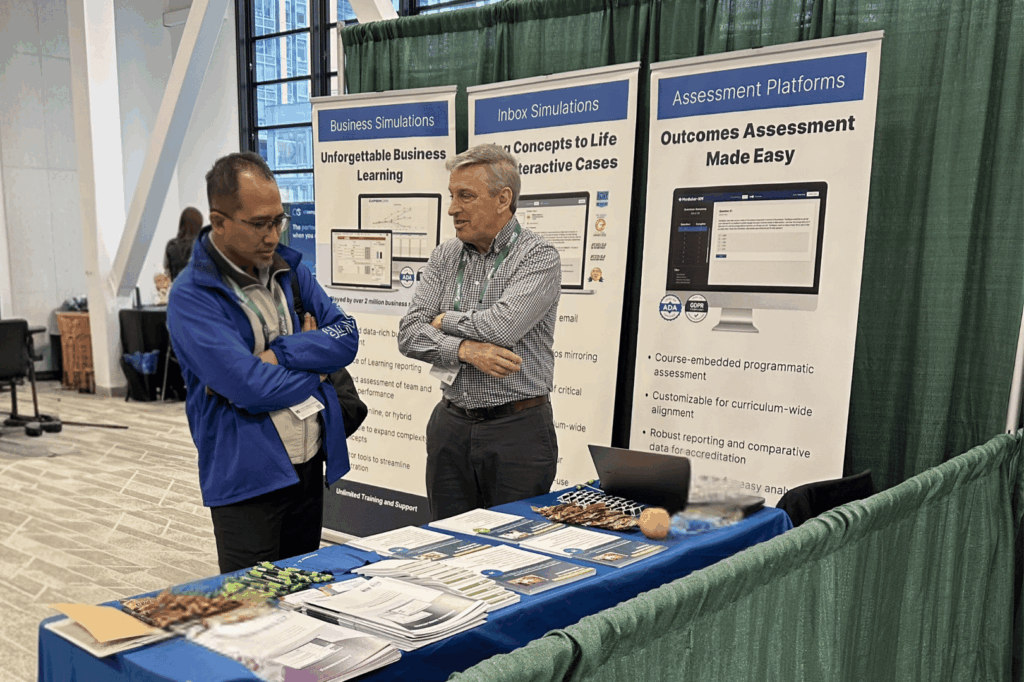
However, he acknowledged that AI use at SBM ITB is currently limited and highly dependent on individual lecturers’ policies. Going forward, the institution is striving to encourage a more structured and integrated approach.
“Moving forward, AI usage will be governed by an agreement between lecturers and students at the start of the course, outlining its limitations, objectives, and ethical considerations,” Eko stated in Bandung (April 21).
In line with this, the student assessment system will undergo adjustments. Evaluation methods that previously relied heavily on essays will start to shift towards more practical forms, such as presentations and direct analyses. This approach is essential to ensure that AI does not replace students’ thought processes; rather, it aims to strengthen their critical thinking skills.
This transformation is also driven by industry demands that increasingly require AI-based competencies across various sectors. According to Eko, almost all job fields now require an understanding of this technology, regardless of academic background.
In response, SBM ITB has begun strengthening collaboration with industry in curriculum development, including developing more integrated, relevant internship programs.
However, implementing this transformation is not without challenges. The Head of Quality Assurance, Accreditation, and International Rankings Division, Dr. Liane Okdinawati, S.T., M.T., highlighted that human resource and system readiness remain major obstacles.
“Currently, we are still largely limiting the use of AI and haven’t fully taught how to utilize it properly,” she said.
She added that not all lecturers have a uniform understanding of AI implementation, so training and gradual curriculum adjustments are needed.
Furthermore, Liane highlighted the gap between domestic and global practices. She cited several foreign universities that have adopted AI platforms like Claude institutionally, thereby integrating their use and enhancing data security.
“Overseas, AI subscriptions are already done at the institutional level. Meanwhile, here, many still use it individually,” she explained.
According to her, an institutional approach not only increases efficiency but also minimizes the risk of uncontrolled data management. Therefore, the challenge of AI transformation in Indonesian universities lies not only in adopting technology but also in readiness for governance and investment in digital infrastructure.
As a first step, SBM ITB will conduct outreach and training for lecturers and begin integrating AI into several courses. Through this transformation, SBM ITB aims to produce graduates who are more adaptable and ready to face industry dynamics.
“Students must continue to learn and be responsive to change,” concluded Eko.