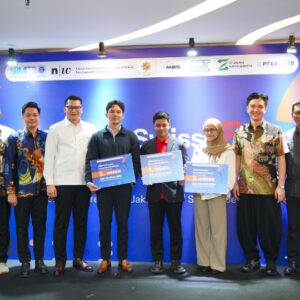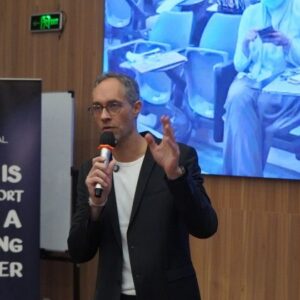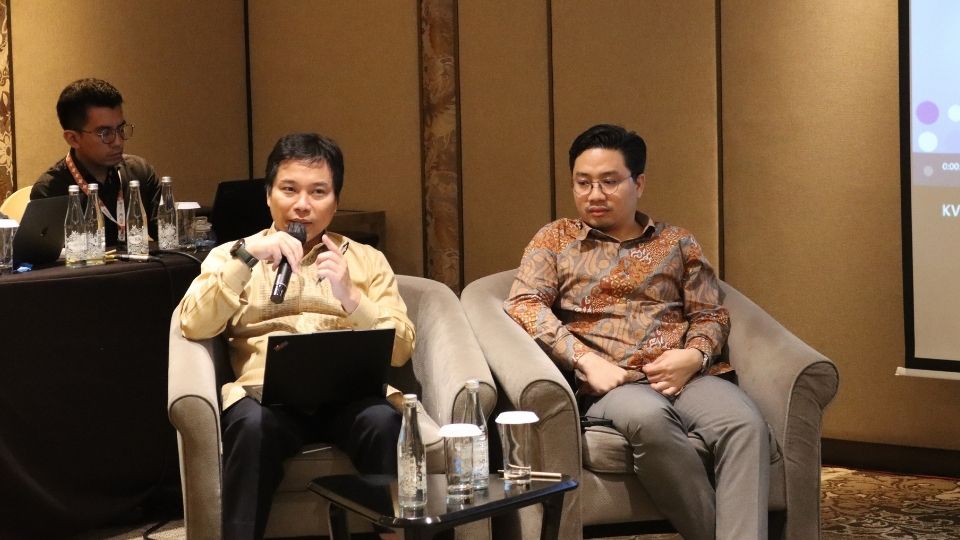
The School of Business and Management, Institut Teknologi Bandung (SBM ITB), discussed waste management from mineral down streaming, the impact of artificial intelligence on the creative industry, and the development of experience-based tourism at the 2026 SBM ITB Industrial Summit in Jakarta.
In the mining session, ITB Metallurgy Expert Dr Zela Tanlega highlighted the large amount of residue from the nickel industry using High Pressure Acid Leach (HPAL) technology. According to him, every ton of nickel refined produces approximately 1.2 tons of tailings. The six HPAL plants currently operating could produce nearly 50 million tons of tailings per year and require about 300 hectares of land for storage annually.
“Technologically, nickel tailings are highly reprocessable into precursors for LFP batteries and pig iron for steel. However, the biggest obstacle lies in regulations that rigidly categorize tailings as hazardous and toxic waste, as well as overlapping permits,” said Zela.
Meanwhile, VP of Business Development at PT TIMAH Tbk, Rony Malino Batti, stated that his company is reusing waste mining land and mapping the potential of rare earth metals such as monazite, xenotime, tantalum, and niobium. According to him, the development of rare earth metals is still hampered by economies of scale, the lack of aggregators, and regulations surrounding radioactive elements like uranium and thorium.
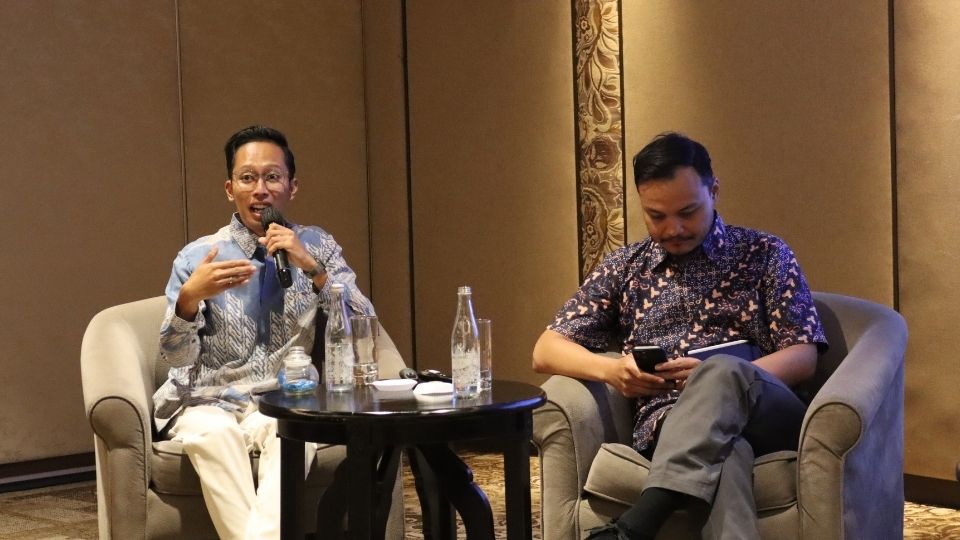
The creative industry session discussed the challenges of commercializing and utilizing generative AI. Garasi Drift CEO Ziko Harnadi said growing creative businesses require separating business and creative functions so expansion doesn’t sacrifice content quality. “Business demands should not kill creativity; instead, business must become a safe space for creativity to survive and thrive,” said Ziko.
Dr Riki A. Siswanto, a Visual Communication Design academic at Telkom University, believes generative AI can produce affordable visuals but risks becoming generic without clear direction. He believes the designer’s role is shifting from a mere software operator to a system designer who can provide context and define identity for AI.
In the tourism session, Robby Wahyudi, Chairman of the Jakarta Creative Economy Committee, assessed that Indonesia cannot rely solely on its natural beauty. He argued that tourism competitiveness needs to be built through experience and intellectual property (IP). He cited New Zealand, which leveraged the narrative of The Hobbit, and South Korea’s Hallyu Wave and K-Pop to strengthen its tourism appeal.
“Indonesia has unlimited cultural riches, but we are too focused on building physical infrastructure at airports and hotels without developing an integrated, exportable IP narrative,” said Robby.
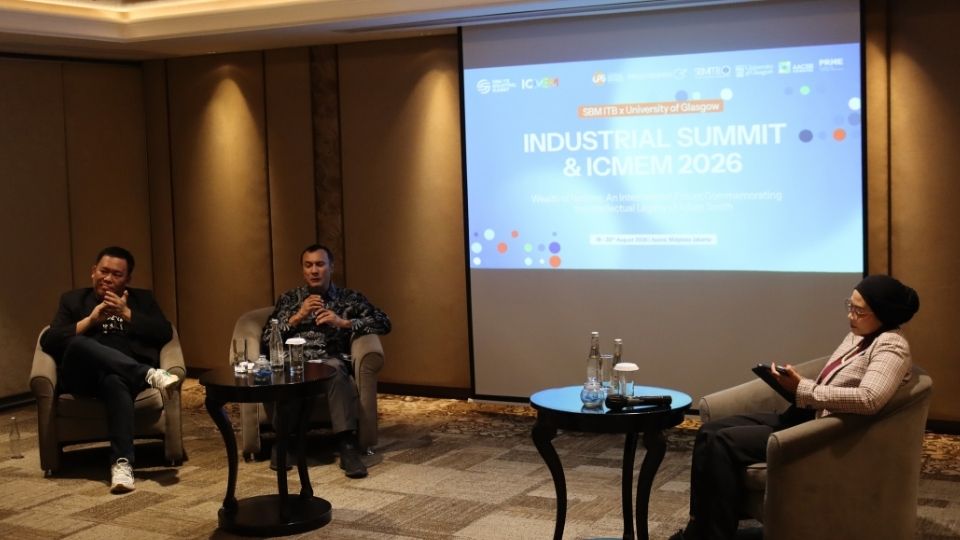
Dr Jacky Mussry from the MarkPlus Institute and SBM ITB highlighted issues with basic tourism services, including expensive domestic flights, difficult transportation, illegal levies, dirty toilets, and poor intersectoral coordination. He believed that tourism development needs to be more oriented toward the tourist experience without neglecting local wisdom.
The discussion of these three sectors emphasized a crucial point: added value cannot be derived solely from resources, technology, or infrastructure. Regulatory management, ecosystem integration, and the ability to transform assets into economically valuable products also play a significant role in determining competitiveness.