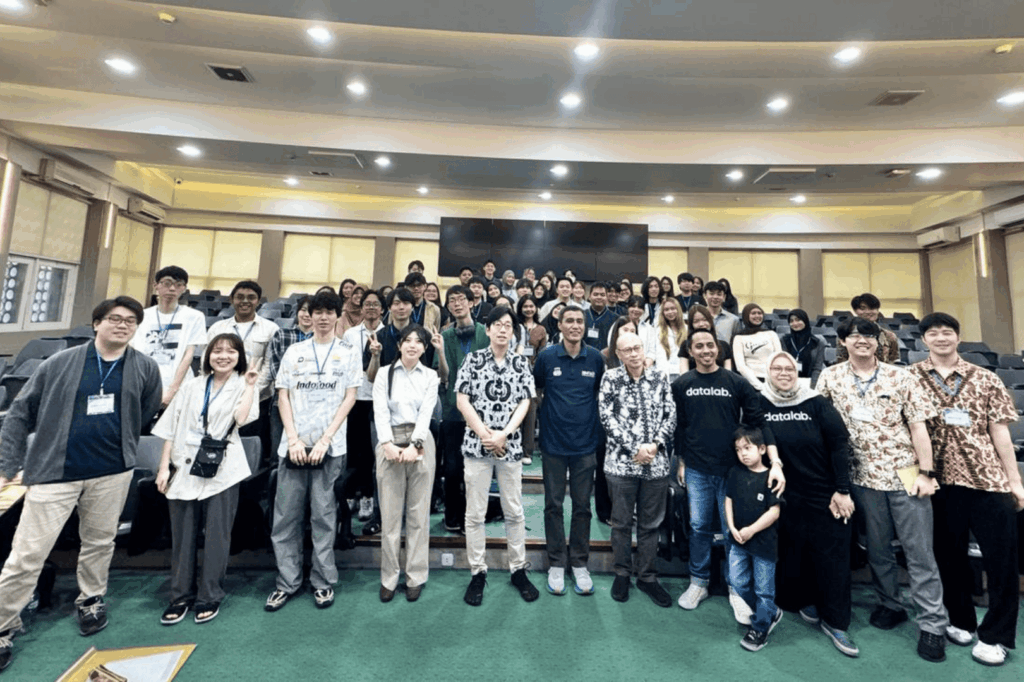
The 2026 Global Project-Based Learning (gPBL) program was officially launched on Sunday (February 16th) at the 2nd Floor Auditorium of the SBM ITB Building. The opening ceremony was attended by all participants and the gPBL management team from Indonesia, Japan, and Cambodia, marking the start of this year’s international collaboration between SBM ITB, Shibaura Institute of Technology (SIT), and CamEd Business School.
gPBL is an annual collaborative program between ITB and SIT that has been running since 2019. This year, ITB and SIT also invited students from CamEd Business School to participate. A total of 52 students from the three universities were divided into 10 groups and will participate in a 10-day problem-based business planning project in Indonesia.
Manahan Siallagan, Head of the SBM Decision-Making and Strategic Negotiation Expertise Group, emphasized that gPBL can improve participants’ mindsets. According to Manahan, this year’s participants were challenged to generate new startup ideas based on real-world problems.
“They will not only learn in class but will also engage with the Bandung community to gain deeper insights,” Manahan stated in his remarks.
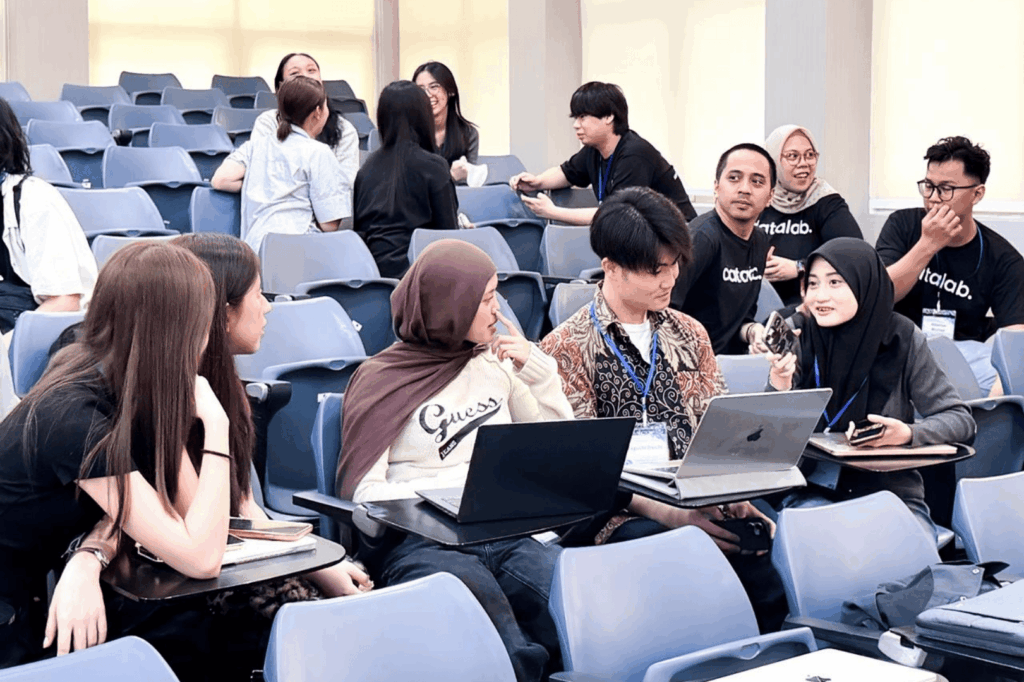
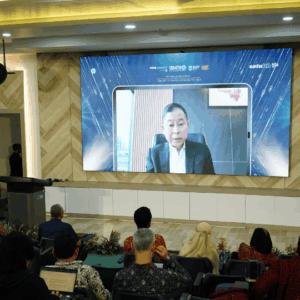
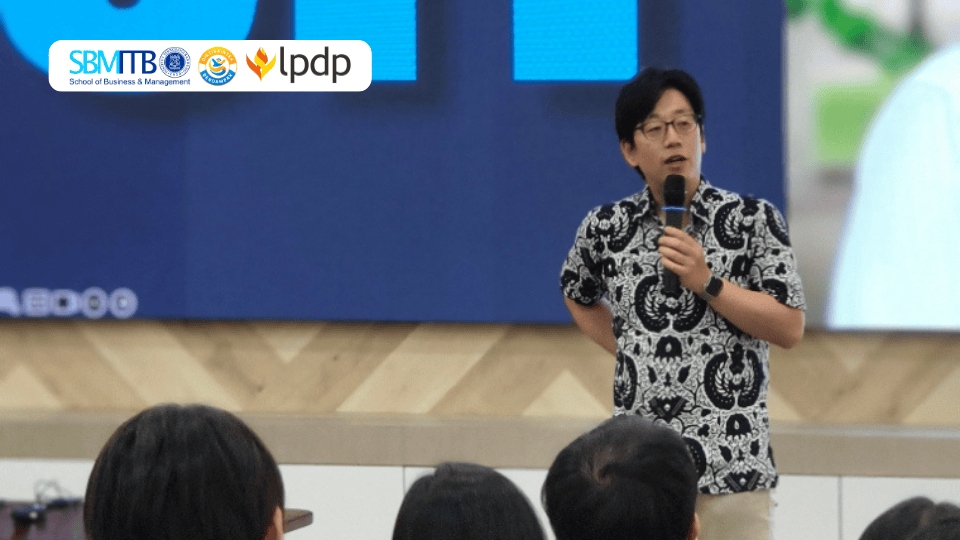
The opening ceremony also included an icebreaker session for each group to build camaraderie, followed by a presentation of the 10-day series of activities and a lecture from Prof. Manabu Ichikawa. He emphasized that gPBL provides business students from ITB and CamEd with an opportunity to apply a systems engineering approach to the business planning process.
“In systems engineering, it is essential to take certain steps before diving into a product idea. One important step is to understand the situation and context. This can be achieved using methods such as rich pictures and empathy maps,” he explained.
During the 10-day program, participants will receive materials, collect data through field activities, and complete various assignments using business and systems engineering frameworks. The program will conclude with a final presentation to a panel of venture capital judges, who will evaluate and provide feedback on each group’s business plans.
gPBL not only provides a platform for students to practice structured and creative thinking, but also serves as a learning tool for collaboration and empathy, given the significant language and cultural differences.
“I believe that gPBL has genuinely helped me become more empathetic and strategic. Although it’s only the first day, I already need to come up with various strategies to overcome language barriers, including using Papago, Google Translate, and even sign language. It can be quite exhausting, but it’s also incredibly enjoyable. I’m looking forward to spending the next 10 days with my friends,” said Kinanti, a representative from Team W2.
Written by Student Reporter (Caesya Sakinah, Entrepreneurship 2026)