Organizational efficiency doesn’t always mean reducing the workforce. In many cases, efficiency actually depends on a company’s ability to strategically manage human capital to drive growth and innovation.
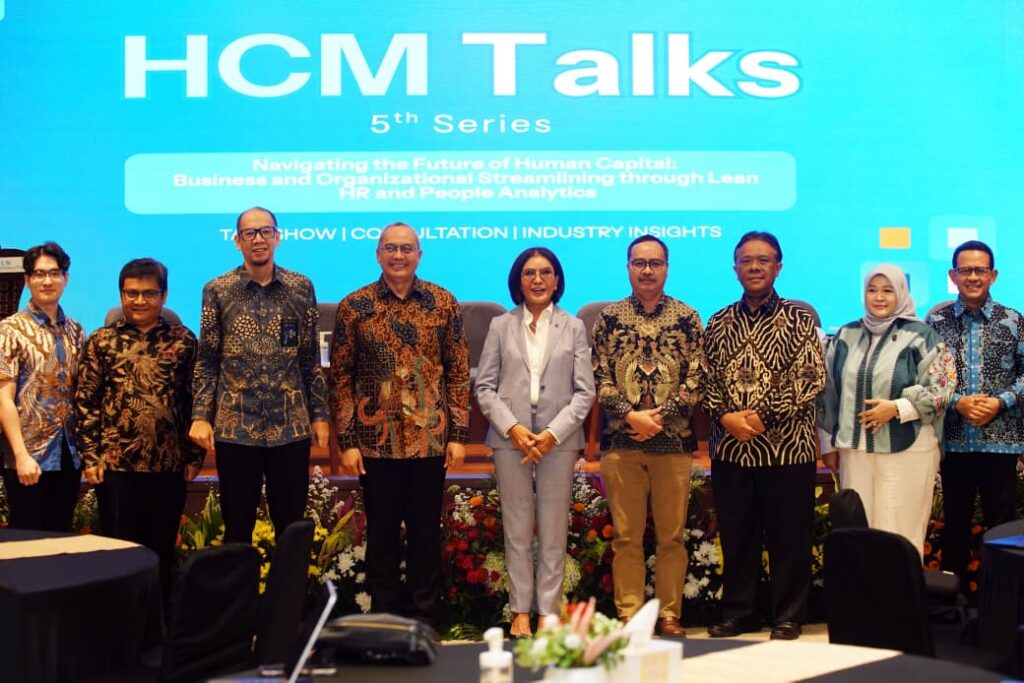
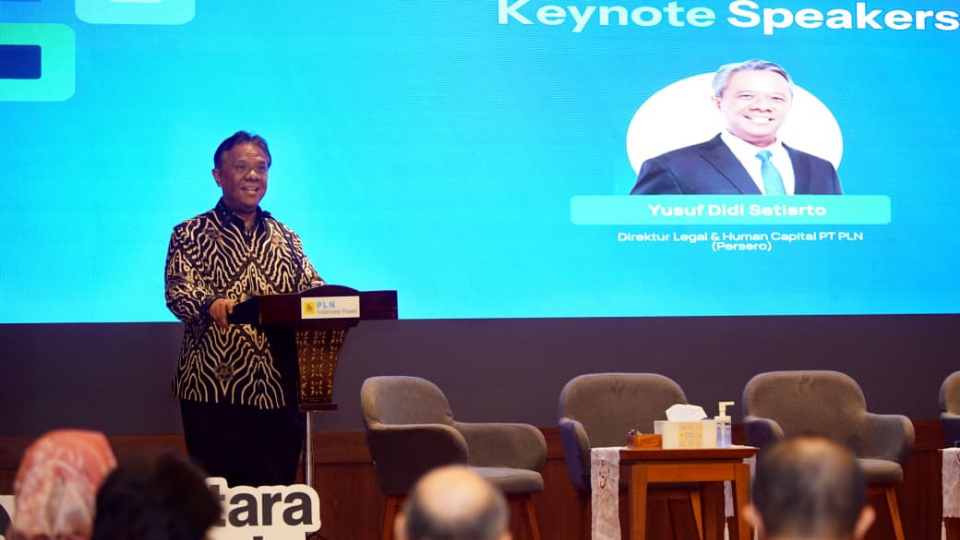
This issue was the focus of the 5th HCM Talks, held by SBM ITB, in collaboration with PT PLN (Persero) on February 27, 2026. The forum’s theme was “Navigating the Future of Human Capital: Business and Organizational Streamlining through Lean HR and People Analytics.”
Henndy Ginting, Head of the SBM ITB People and Knowledge Management Expertise Group, stated that human capital is the primary driver of an organization. Without proper HR management, a company’s strategies and assets will not be effective.
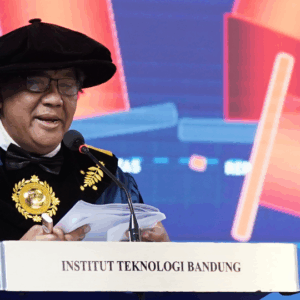
Similarly, Aurik Gustomo, Dean of SBM ITB, believes that organizational efficiency must remain growth-oriented. He believes that human capital needs to be directed toward the concept of an ambidextrous organization, that is, maintaining business operations while simultaneously encouraging innovation and the development of new technologies.
From an industry perspective, Yusuf Didi Setiarto, Director of Legal and Human Capital Management at PT PLN (Persero), assessed that collaboration between academics and practitioners is crucial for bridging concepts with business practices.
Meanwhile, Wiwik Wahyuni, Senior Director of HC Talent Management & Culture at Danantara Asset Management, emphasized that streamlining is not simply a matter of structural consolidation, but part of a strategy to build a more competitive and sustainable organization. Wiwik highlighted the challenges faced by state-owned enterprises (SOEs), with approximately 52 percent projected to record losses of up to IDR 50 trillion by 2024, driven by layered business processes, siloed approaches, and talent fragmentation. To address this situation, Danantara is encouraging the consolidation and simplification of organizational structures to allow SOEs to focus more on long-term strategies.
The 5th HCM Talks was divided into three discussion panels: organizational streamlining strategies, the role of Lean HR in organizational transformation, and the use of technology and people analytics to support data-driven decision-making.
The forum also presented the results of a Populix survey, which showed that the majority of SOE employees support streamlining initiatives, although some still harbor concerns regarding workforce adjustments and performance systems. Through this forum, SBM ITB and PLN hope that collaboration between academics and practitioners can encourage the transformation of BUMN towards more efficient, adaptive, and sustainable organizations.