The use of technology and data analysis is becoming increasingly essential for managing modern organizations. Without a data-driven approach, business decisions may be swayed by subjectivity and incomplete information.
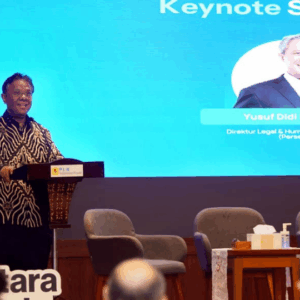
This topic was the focus of the third panel discussion at the 5th HCM Talks, hosted by the School of Business and Management, Bandung Institute of Technology (SBM ITB), on February 27, 2026, in Jakarta. The forum, themed “Navigating the Future of Human Capital: Business and Organizational Streamlining through Lean HR and People Analytics,” explored how the adoption of technology and people analytics can help companies optimize their operations and streamline their organizations.
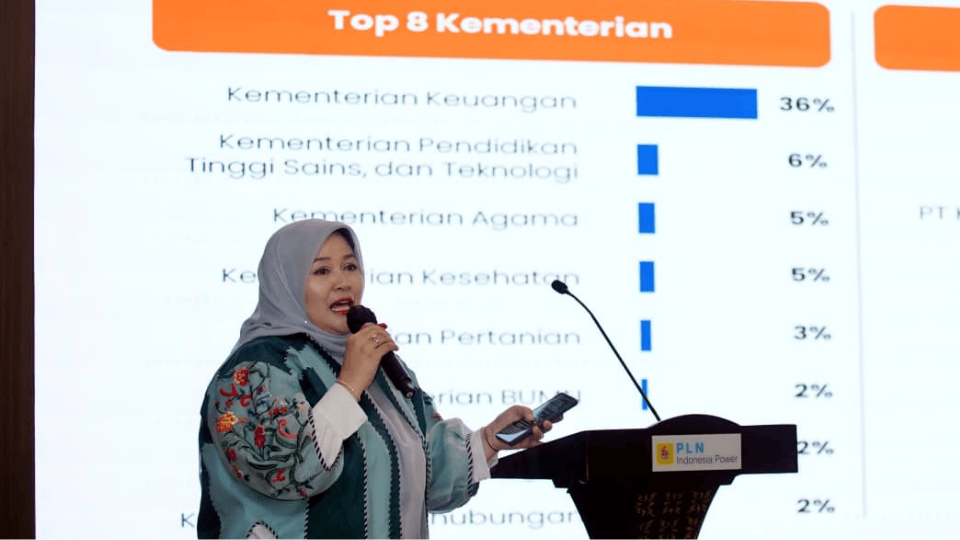
The discussion featured Jemy V. Confido, Senior Vice President of the Corporate Transformation Group at the Indonesia Telecommunication & Digital Research Institute (ITDRI), and Nurlaela Arief, Director of Communications and Public Relations at the Bandung Institute of Technology. The event was moderated by Achmad Ghazali.
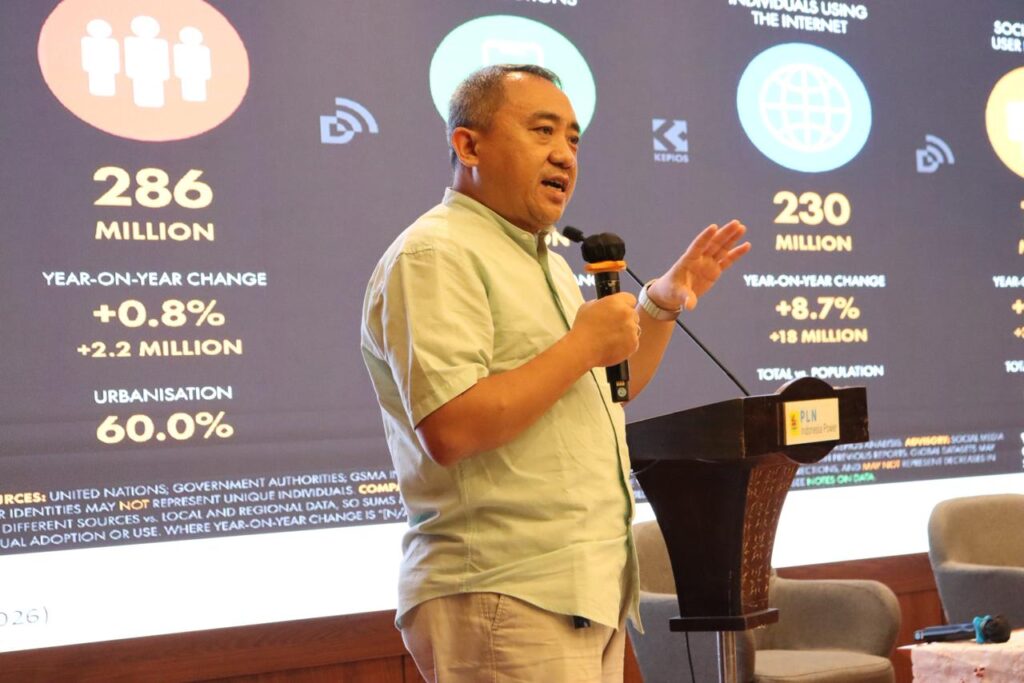
In his presentation, Jemy Confido emphasized that global technology companies such as NVIDIA, Alphabet, and Microsoft prioritize operational excellence as the foundation for managing data and human resources. He noted that the use of digital technology does not automatically lead to better business decisions.
“Tools like CRM and various digital platforms will only be valuable if accompanied by operational excellence, so that data can be converted into quality business decisions,” he said.
He also emphasized the risks of errors in talent management, such as alpha and beta errors, which occur when individuals with potential are not placed in the appropriate positions. According to Jemy, relying solely on assessment tools is inadequate if the organizational context and the characteristics of the talent are not understood. Without the right approach, companies can encounter various issues, including mismatched recruitment, decreased employee motivation, and the development of a toxic work environment.
To tackle these challenges, he highlighted the importance of a data-driven talent engine that incorporates data-driven decision-making, process automation, talent cost efficiency, and personal data protection. With a digital dashboard, company leaders can quickly and objectively map capabilities across the organization. This approach transforms previously manual and subjective processes into more integrated and efficient ones.
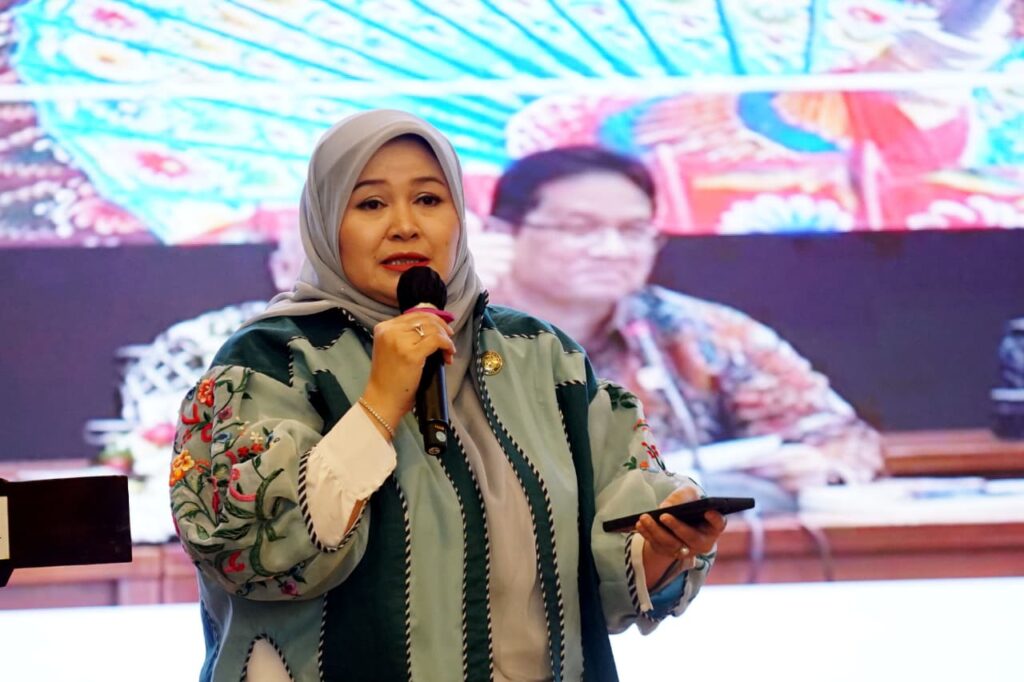
Meanwhile, Nurlaela Arief emphasized that data and technology alone are not enough to ensure the success of organizational transformation. According to her, trust is a crucial factor in ensuring data-driven policies are accepted by all stakeholders.
“Data is crucial for decision-making. However, without trust, those decisions will be questioned, and the transformation process will be slower,” she said.
In the process of streamlining business operations, Nurlaela highlighted three key elements that organizational leaders should focus on to build trust within human resources. The first element is legitimacy, which refers to the clear mandate and rationale for the changes being made. The second element is efficacy, which involves the belief that the transformation is being implemented with the right intentions and objectives. The third element is trust, which acts as a bridge between legitimacy and efficacy.
She also emphasized the importance of effective communication within an organization. The role of spokesperson doesn’t always have to be formal. It can be played by anyone who has credibility and is trusted in their work environment. According to Nurlaela, communication effectiveness is influenced by several factors, including likability, credibility, attractiveness, and congruence of the individual delivering the message. As an example, she cited Purbaya Yudhi Sadewa, who is considered capable of building persuasive communication that has earned public trust.
The panelists agreed that communication is a crucial foundation in the organizational transformation process. Trust built through clear and transparent communication will strengthen policy legitimacy and increase the effectiveness of change implementation. With this approach, it is hoped that organizational transformation and organizational streamlining can run more effectively and sustainably.