The euphoria surrounding startup funding that peaked in 2021 is now over. While previously startups could simply arrive with a pitch deck and spreadsheet to secure investment, the situation is now much tighter. The number of funding rounds in Indonesia has dropped drastically from around 385 to just 69 in 2025.
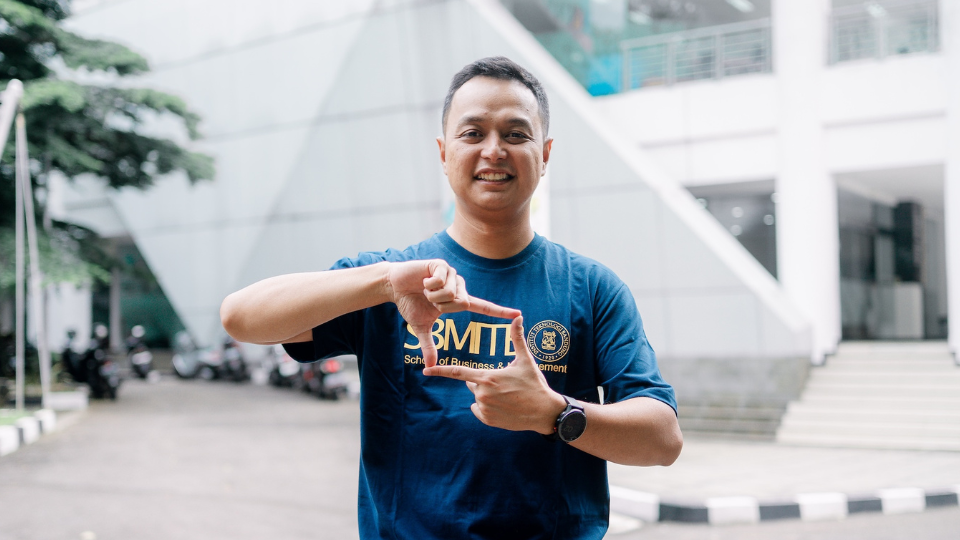
For some industry players, this situation seems like a setback. However, for Novrizal Pratama, Managing Director of Tech in Asia Indonesia and Chairman of the SBM ITB Alumni Association (2024–2027), this situation actually marks a phase of maturity for the startup ecosystem.
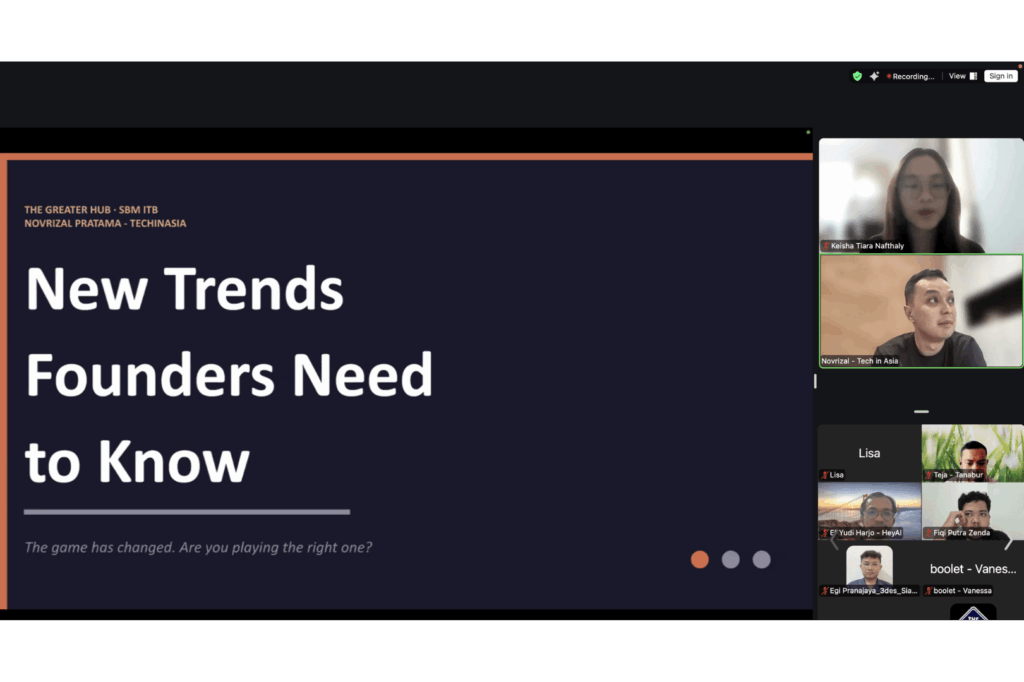
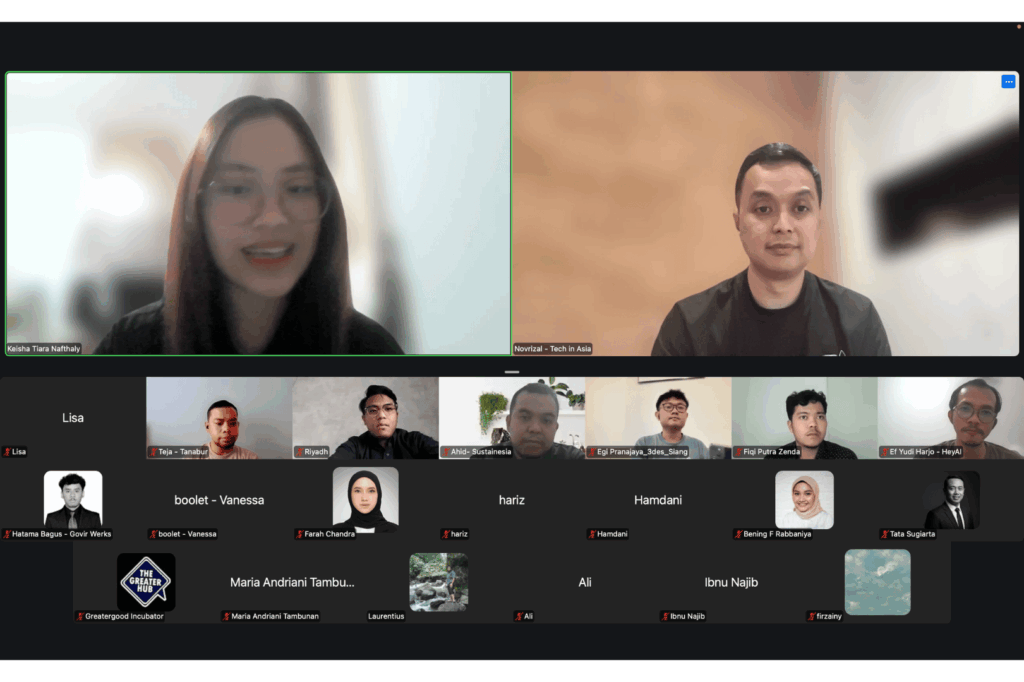
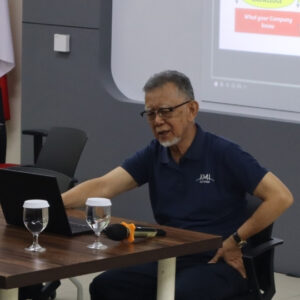
He conveyed this at the Greater Hub SBM ITB XX seminar titled “New Trends Founders Need to Know” in Bandung, March 5, 2026.
According to Novrizal, the era of easy money is over. The Indonesian startup ecosystem does indeed appear large, around 32,000 active startups, 14 unicorns, and total funding raised reaching US$71 billion. However, behind these numbers, many startups thrive on hype and valuations that don’t always reflect healthy unit economics.
“Valuation inconsistencies, weak governance, and even a wave of layoffs when growth slows are the consequences,” he said.
Investors are now conducting much stricter due diligence. According to Novrizal, this situation offers opportunities for startups with strong business foundations and a sustainability orientation.
He also cautioned that the size of the Indonesian market does not automatically guarantee profits. The unit economics per user are relatively low, so founders who rely solely on population size without considering purchasing power and customer acquisition costs risk building a business on a shaky foundation.
In his presentation, Novrizal also identified five trends that will shape the next wave of startups.
First, small teams with big impact. Technological developments, especially artificial intelligence, allow start-ups to operate more efficiently with lean teams.
Second, AI as business infrastructure. By 2026, around 80 percent of enterprise applications are projected to include built-in AI agents. According to Novrizal, not using AI today is like calculating inventory with paper in the Excel era.
Third, local solutions. Many issues in Indonesia, for example, the fisheries supply chain, require an understanding of the local context that global players lack.
Fourth, profitability is a key indicator. Investors are now more focused on business resilience than on user growth alone.
Fifth, the green economy and national priorities, where startups have the potential to thrive if they address environmental challenges or support the government’s development agenda.
Behind these trends, according to Novrizal, is a fundamental shift in mindset: startups are no longer built to pursue funding, but to survive.
Good governance from the outset, a clean accounting system, and documented business decisions are essential foundations for attracting investor confidence.
He encouraged founders to address real problems at the local level. Indonesia faces various challenges, such as economic inequality and supply chain inefficiencies, which also present opportunities for innovation.
“Not every startup has to be a unicorn. Hyper-local solutions are often more relevant,” he said.
Novrizal ended his message with a reminder to founders: the opportunity to start a business is still available. However, it must be approached with greater maturity.
The best time to start a startup was 2015. The second-best time is now, and it should be done in a smarter way.