Pursuing a doctoral program is no longer simply about spending hours in the library. In the highly competitive academic landscape of 2026, the true determinant of success lies in how you manage your international network and maximize the impact of your publications.
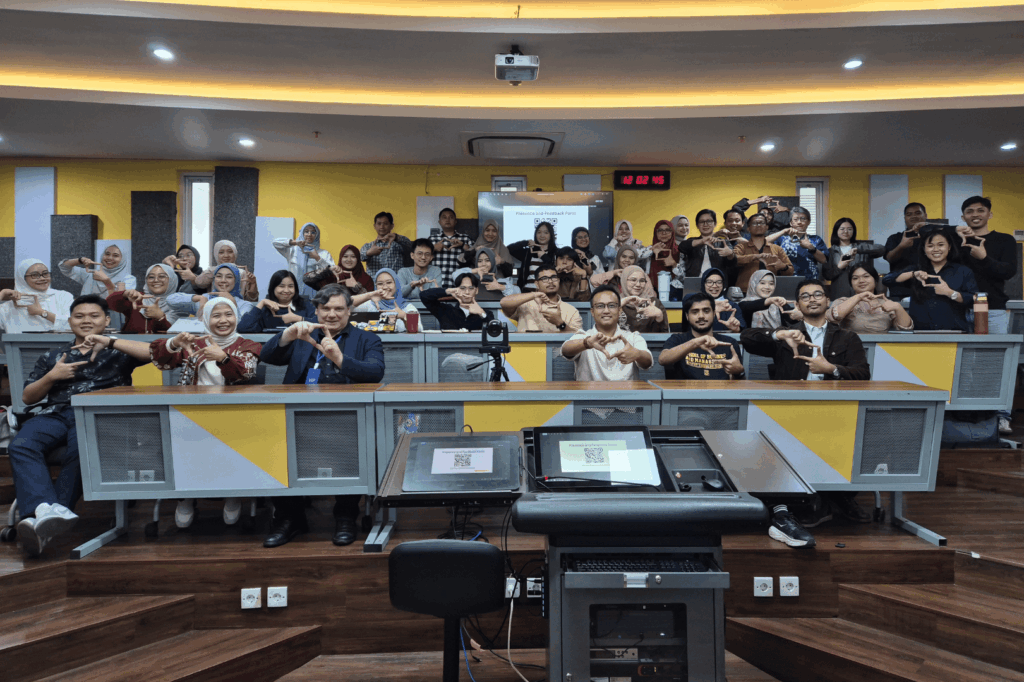
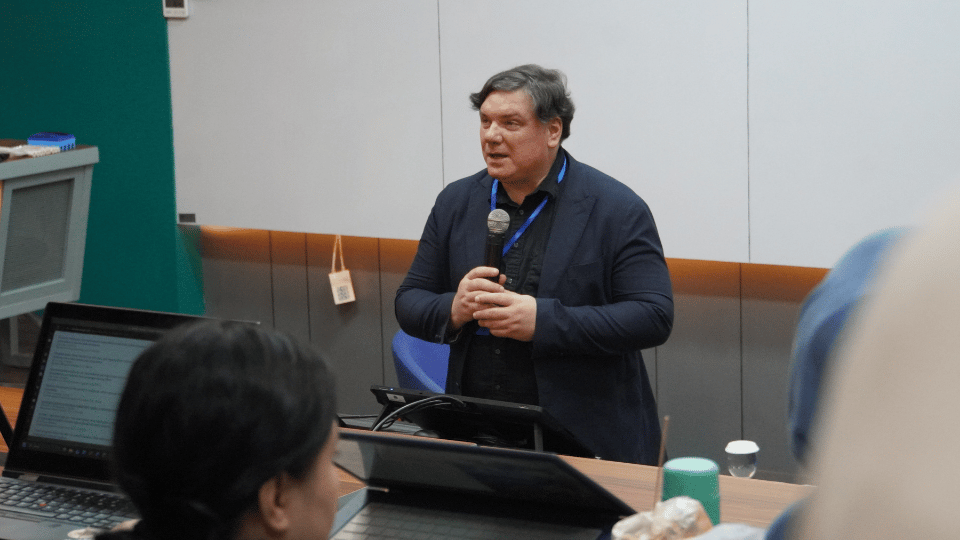
Prof. Renato Pereira from the ISCTE University Institute of Lisbon said that many young researchers face difficulties not because of a lack of data, but because of a lack of strategy. A strong publication track record is not only a requirement but also a key foundation for a future academic career. Pereira made this statement during a seminar on managing international research at the MBA Bandung Campus on Monday (May 4).
Research is crucial for academic careers, especially for those pursuing PhD programs. It is a key factor in academic success. However, without a strong publication track record, career advancement will be hampered.
One way to improve research quality is through networking. Of course, these networks can be local, international, or a mix of both. Networking is crucial because of the resource multiplier effect it can have on research. The more people you collaborate with, the greater your chances of improving your research output and quality.
How do you do it? Start by attending conferences at your local campus, in your local city, or at a location where you already have a strong connection, according to Prof. Pereira. Over time, you can attend national and even international conferences. From there, you can start connecting with people who share your interests and propose collaborations on specific projects.
Prof. Pereira says that as a doctoral student, you should always be open to learning as much as possible, even if you’ve been doing research for a while. There will always be people who are more advanced in doing better research than you. They can provide new ideas and new methodologies for how to conduct your research, so this is something to keep in mind when conducting research and networking.
One common mistake doctoral students make is trying to be a “jack of all trades.” Prof. Pereira suggests focusing on no more than two or three specific areas. By narrowing your scope, you’ll establish yourself as an expert.
Avoid overcommitting to side projects or consulting projects that drain energy that should be allocated to your core research. This focus allows for “Research Mapping,” a systematic approach to identifying gaps in the literature that others have overlooked, especially in unique emerging markets like Indonesia.
Doctoral students must be very pragmatic in managing their time while conducting research. By creating an agenda, your research will be much more structured and organized.
Prioritize important events relevant to your research. It’s also important, and if possible, to have your own research funding. Research requires a lot of time and money, so relying solely on funding from your professors or institution may not be enough. By attending conferences, you may also have the opportunity to secure sponsorship.
Doctoral students now also face challenges in a world where AI is all the rage. AI is a double-edged sword. While the use of AI for grammar correction or translation is widely accepted, the red zones remain clear.
Never let AI write your arguments or generate your hypotheses. The risk of “hallucinated quotes” or fake quotes is real and can permanently damage a researcher’s reputation. Therefore, use AI as a guide, but never as a leader.
The way you construct your argument is crucial in your research. Even if your research is sound, if you construct it incorrectly, your paper could be rejected outright.
Publishing in 2026 isn’t just about having good data; it’s about having a hook. The best papers don’t simply repeat what’s already been said; they find a unique, unexplored angle and master it.
You must be a leader in your methodology, choosing between big-picture statistics and in-depth interviews because they truly align with your goals, not just because they’re easy.
The real game-changer here is the discussion section. Anyone can report results, but only a great researcher can explain to readers why those results matter in the real world.
By bridging the gap between raw results and in-depth theoretical discussion, a researcher transforms a simple study into a compelling narrative that challenges existing academic boundaries. Furthermore, the 75% rule is crucial for your citations in research; does the majority of your literature come from the last five years?
The real “So What?” factor of a paper lies in its communication skills and its practical utility. Even the most rigorous methodology will fail if it stands alone. A high-quality paper must explicitly link findings to organizational challenges or policymaking processes to demonstrate their real-world value. Whether through an Emerald-style abstract or a clear oral presentation, the goal is to provide complete clarity to the target audience.
Ultimately, the quality of a paper is determined by its ability to influence. It should not only cite the great minds of the past but also provide a roadmap for future practitioners and entrepreneurs.
“Two researchers with identical results can reach different conclusions, depending on the quality of their discussion.”
A high-quality paper is a symphony of logic, evidence, and persuasion. By focusing on the elements of research, you are not just writing an article; you are building a legacy of knowledge that can withstand peer review and the test of time. For the modern scholar, the world is not just watching, but waiting for the next breakthrough.