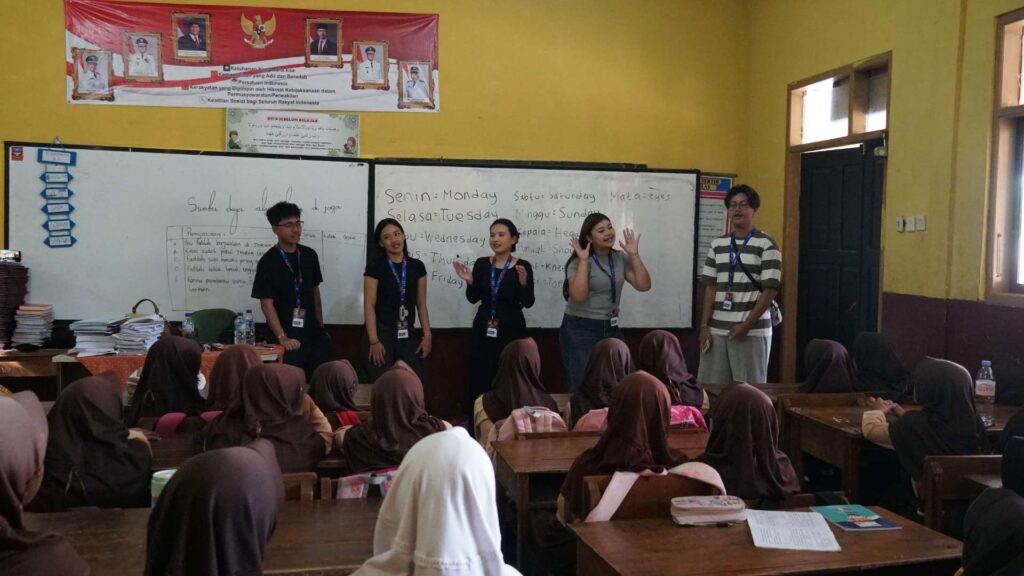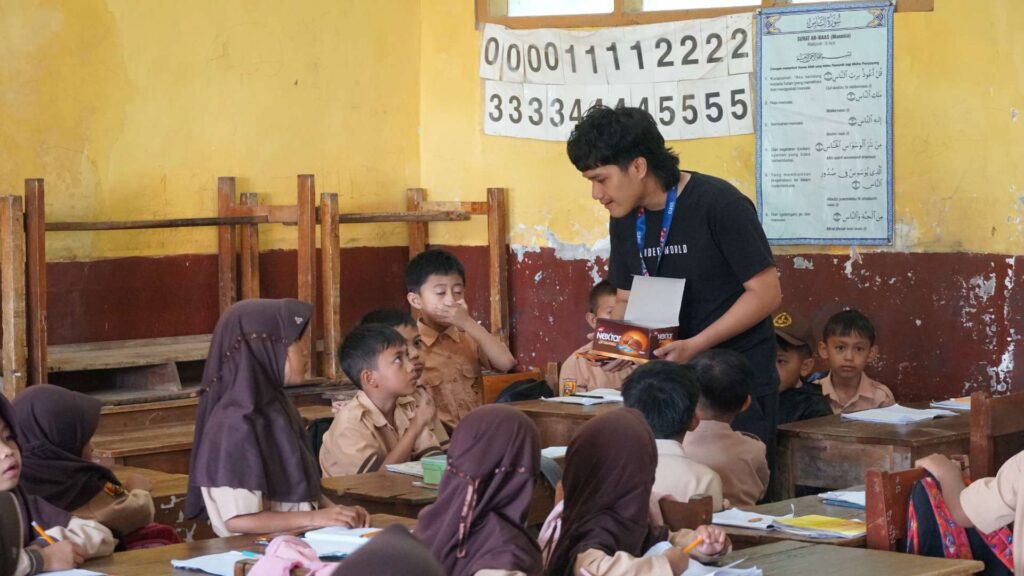
The aroma of freshly roasted coffee was one of the highlights experienced by SBM ITB Class of 2028 students during an excursion to Sukahurip Village in Garut.
In line with SBM ITB’s commitment to Societal Impact, this year’s excursion program was designed differently from previous years. Dr. Anggara Wisesa, commonly known as Pak Awi, is the Excursion Coordinator and Head of the Institute for Sustainable Business at SBM ITB. He oversees the Societal Impact agenda. During this excursion, he explained that students not only learned about village life but were also invited to understand the challenges faced by the residents.
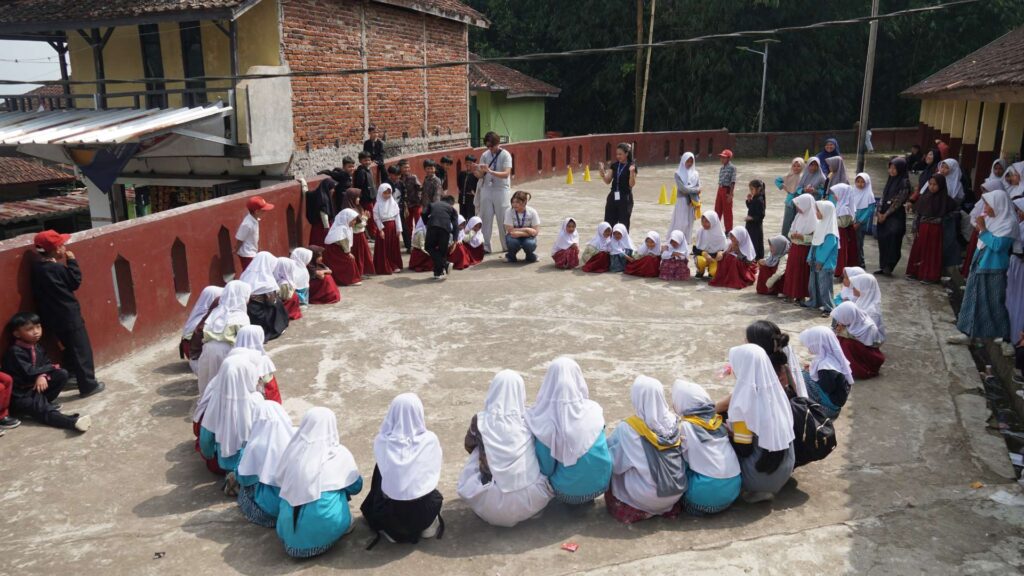
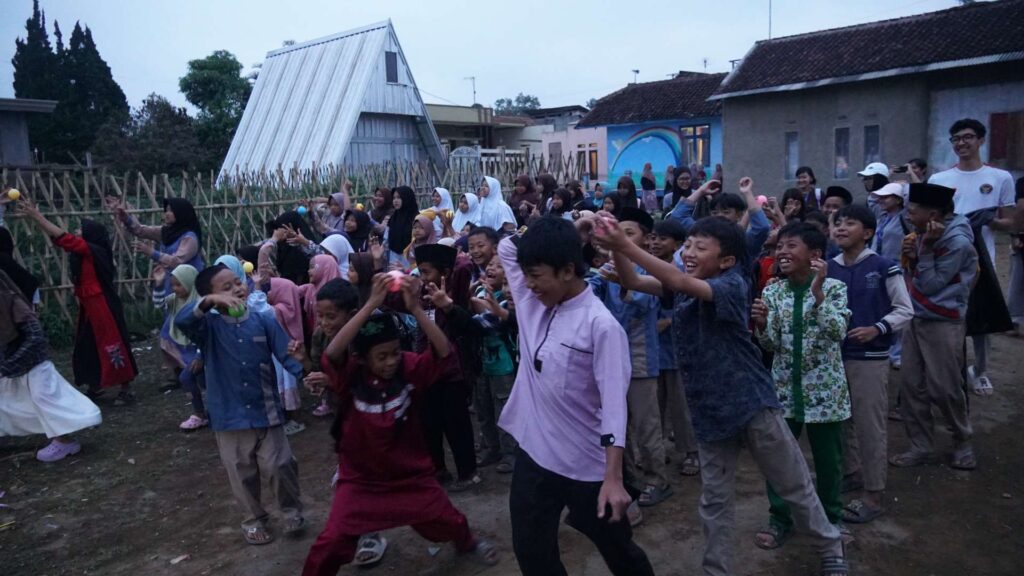
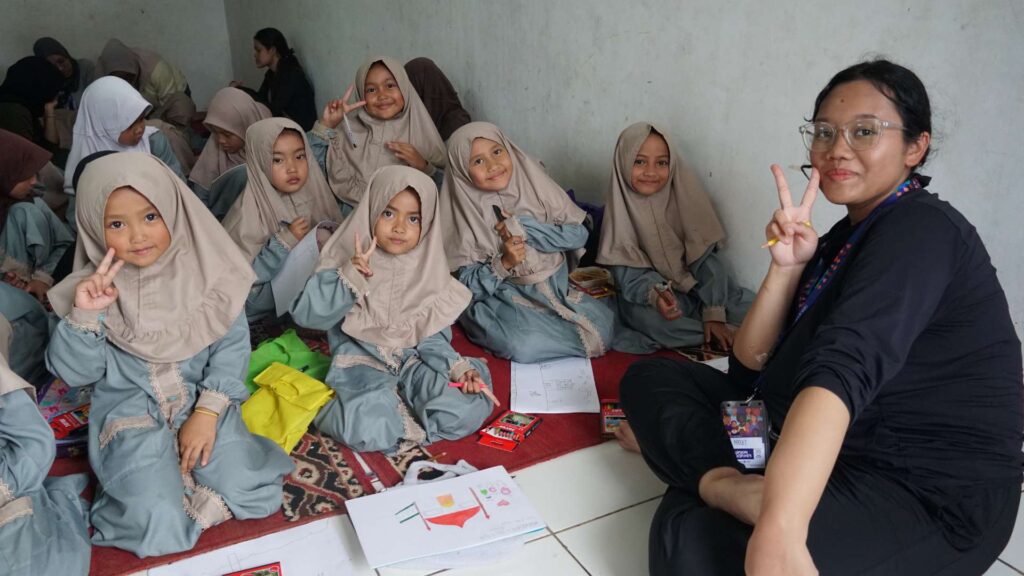
Through interaction and dialogue with the community, students sought to generate solution-oriented ideas that fit the local context and could be implemented by the community. Through this process, students are expected to develop socio-cultural competencies and empathy.
Located in Cigedug District, Garut Regency, 368 SBM ITB students were distributed across five villages: Barusuda Village, Cigedug Village, Sukahurip Village, Sindangsari Village, and Cintanagara Village.

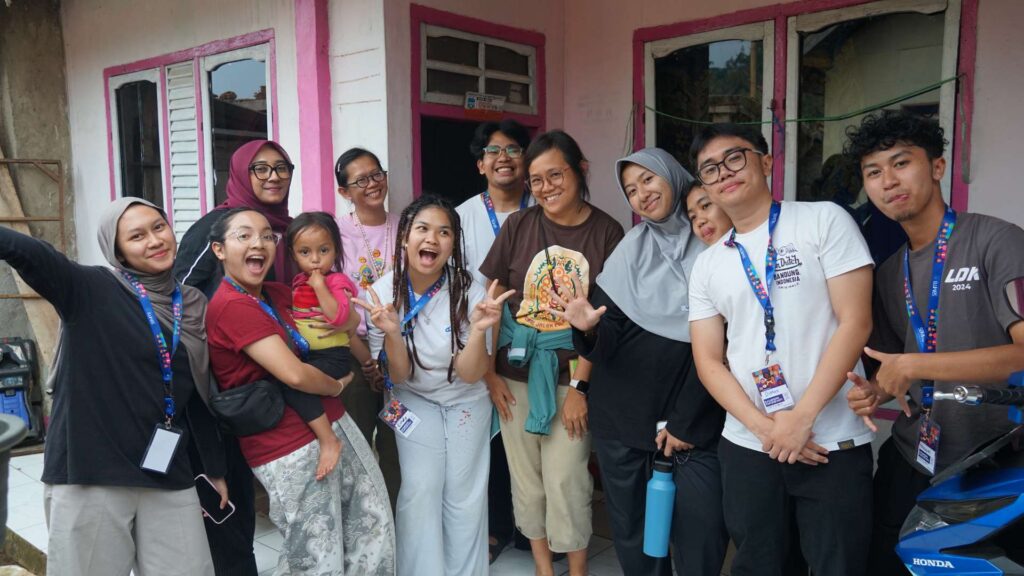
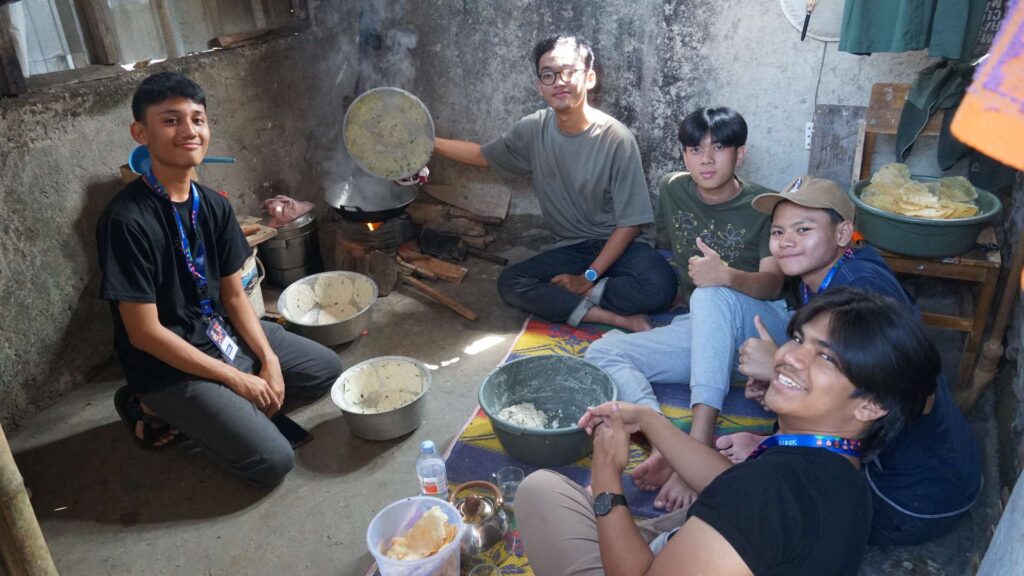
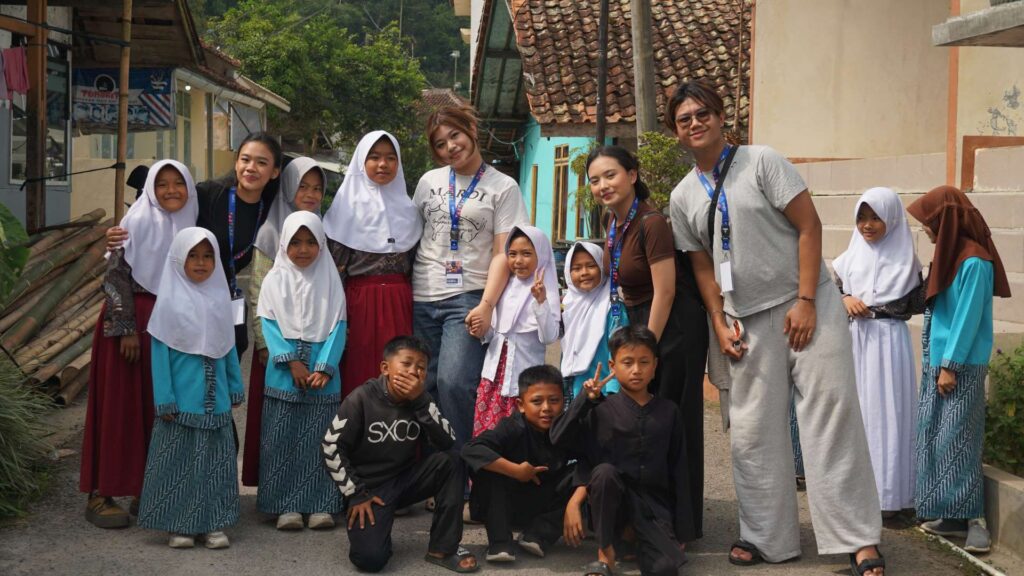
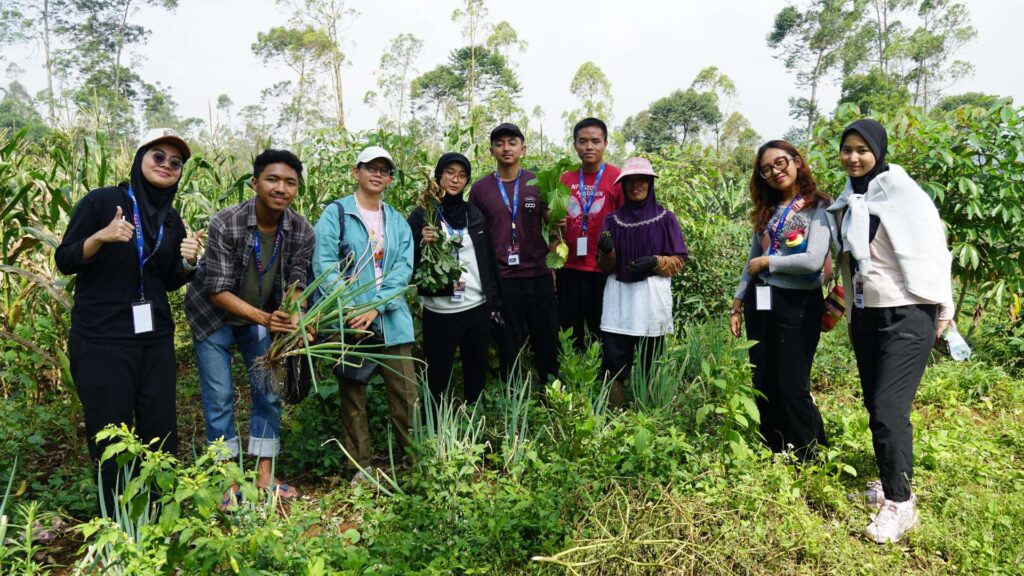
One group of students was assigned to Sukahurip Village, a village known for its beautiful scenery and refreshing plantations. While temporarily staying at the home of Mrs. Yuyun, 19 SBM students from Class of 2028 had the opportunity to adapt to the local environment and become familiar with the community’s activities.
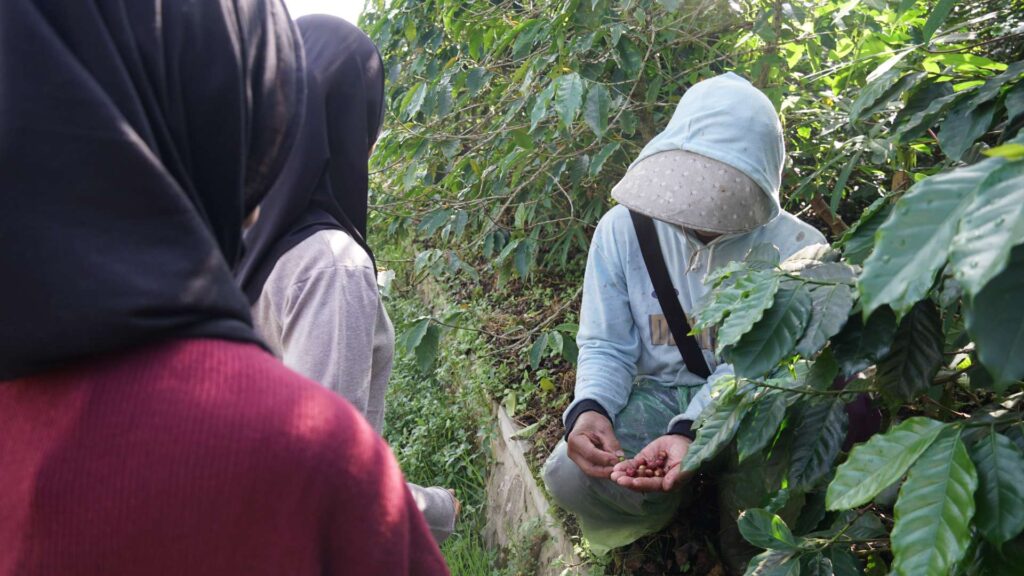
The extensive area of Sukahurip Village can accommodate the large plantation lands cultivated by residents. In addition to plantations, there are also coffee bean processing businesses, leather handicrafts, cattle and goat farming, and opak production.
One local potential that attracted the students’ attention was a coffee bean processing business with a unique name, Kopi Apa. One of the processors, Aa Tri, said the coffee processing operation has been running for approximately 7 to 8 years.
“We process two types of coffee, Arabica and Robusta. However, we process more Arabica coffee because it sells better,” explained Aa Tri.
During their visit, students discovered that the coffee processing journey is more complex than it seems. One significant challenge is the fermentation process, which is heavily influenced by weather conditions. Aa Tri explained that variations in wind direction, sunlight, and moisture levels can greatly affect the flavor differences found in harvested coffee cherries. Furthermore, different roasting techniques also contribute to the distinct flavors of coffee.
Two commonly used methods in coffee bean processing are aerobic and anaerobic techniques. The aerobic method involves drying the coffee with air circulation, while the anaerobic method requires fermenting the coffee in sealed plastic containers. For the aerobic technique, properly dried coffee beans should have a moisture content of around 11%.
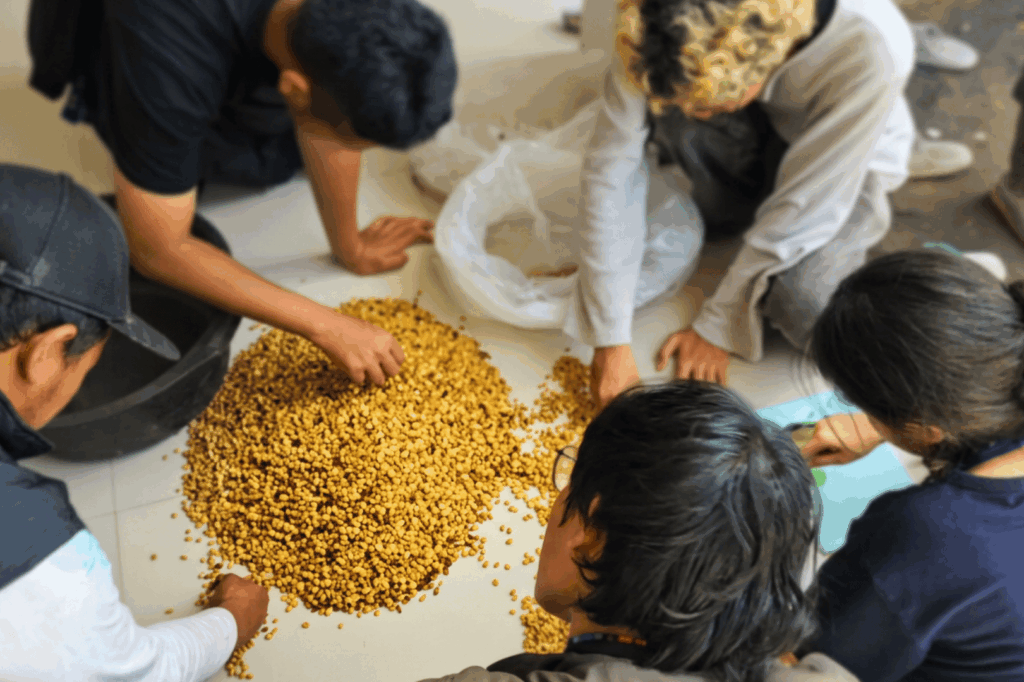
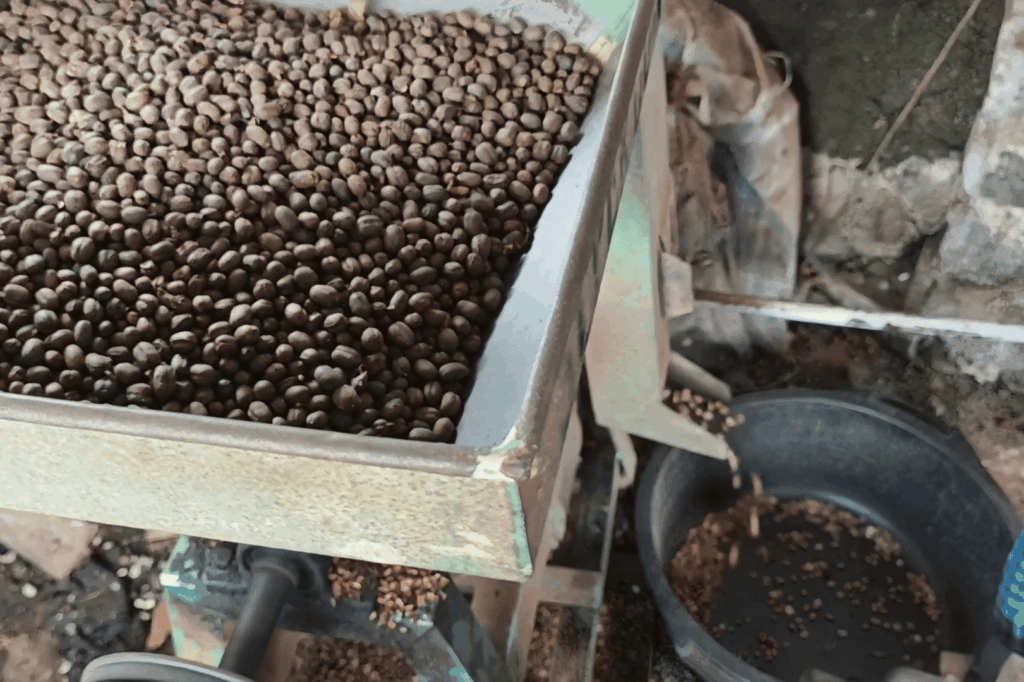
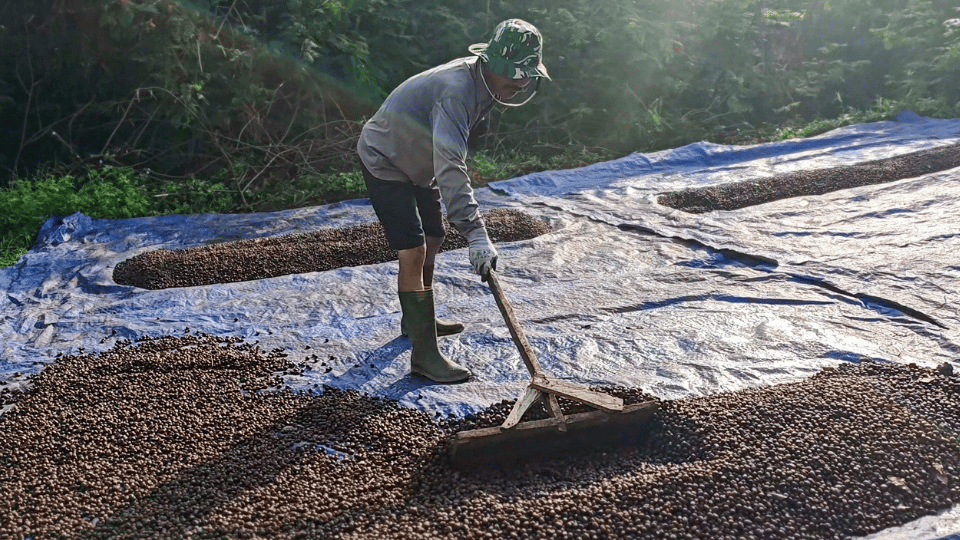
During drying, coffee beans with their parchment layer (husk) must be spread evenly to ensure thorough drying and to produce the desired flavor when processed. Once dried, the parchment layer is removed using a huller machine. In a single day, up to 20 sacks of coffee beans can be hulled.
In addition to observing the drying and hulling processes, students also witnessed the roasting process of green beans. Before use, the roasting machine must be heated to about 170 degrees Celsius. After roasting, the green beans turn dark brown, resembling coffee beans, with a distinctive aroma, ready for further processing.
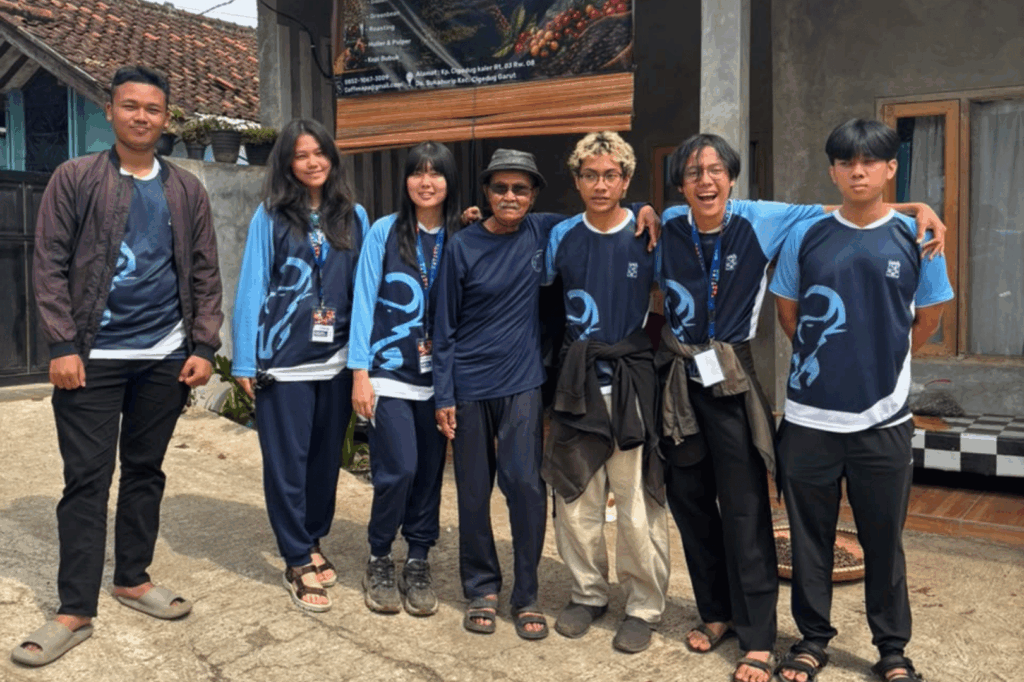
At the end of the visit, Abah Solihin, the owner of the Kopi Apa plantation and processing business, shared his vision for expanding his coffee business. He dreams of making it recognized not only as a local product but also as a catalyst for economic growth in the surrounding community. One crucial aspect he believes needs development is the establishment of a greenhouse.
This facility is needed because the coffee-drying process still relies heavily on weather conditions, and changes in wind direction, sunlight intensity, and rainfall can affect the final product’s quality. With a greenhouse, the drying process can be carried out in a more stable and controlled environment, resulting in more consistent coffee quality. The hope is that the development of Kopi Apa will create broader marketing opportunities, increase the value of the coffee, and ultimately generate economic benefits for the residents of Sukahurip Village.
Through this experience, SBM ITB students not only learned about the coffee production process from farm to processing but also gained an understanding that local potential requires support, innovation, and solutions that align with community conditions. This excursion served as a direct learning experience for students, helping them build empathy while seeing how management knowledge connects to the lives of rural communities.