Essentially, artificial intelligence (AI) is a pattern recognition machine. AI learns patterns from trained data and then predicts the mathematically most likely outcome. Therefore, AI doesn’t truly understand the meaning or truth of the information it produces.
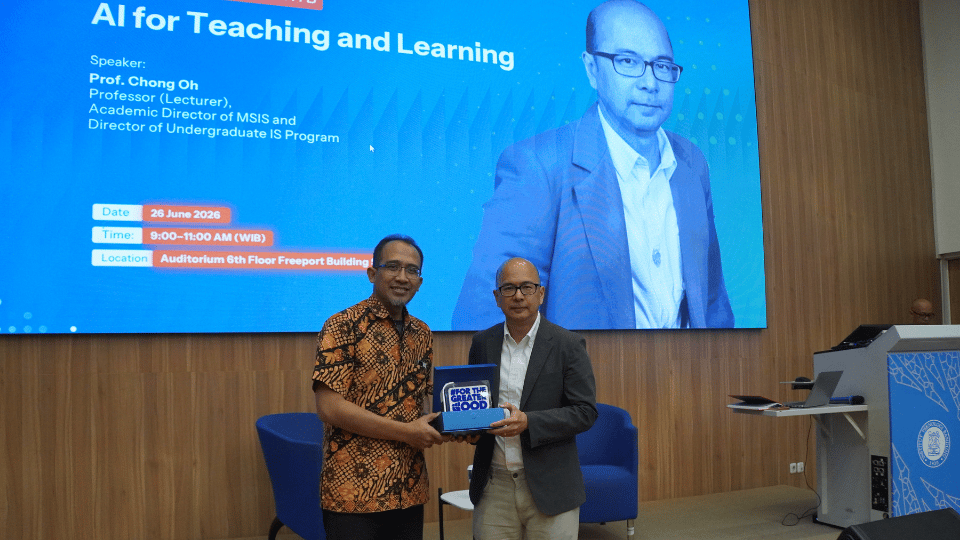
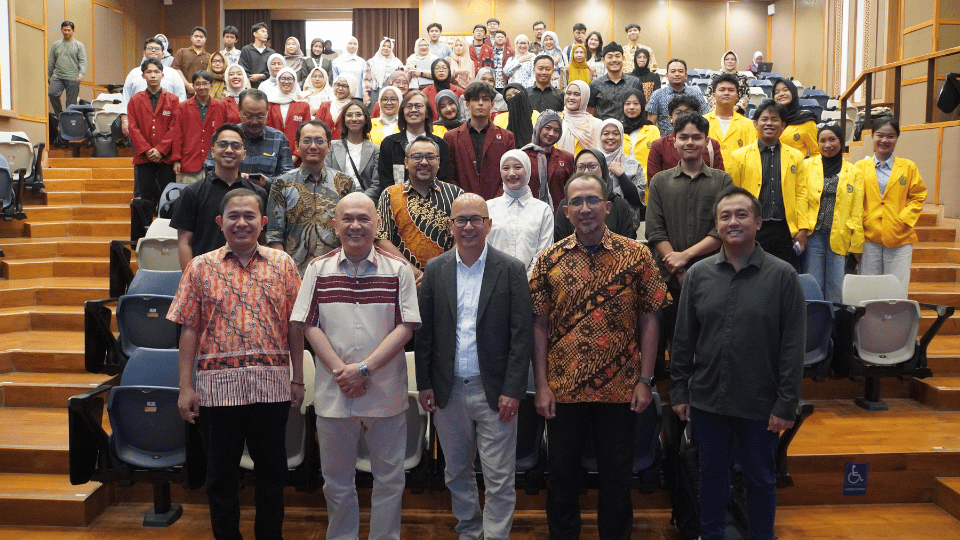
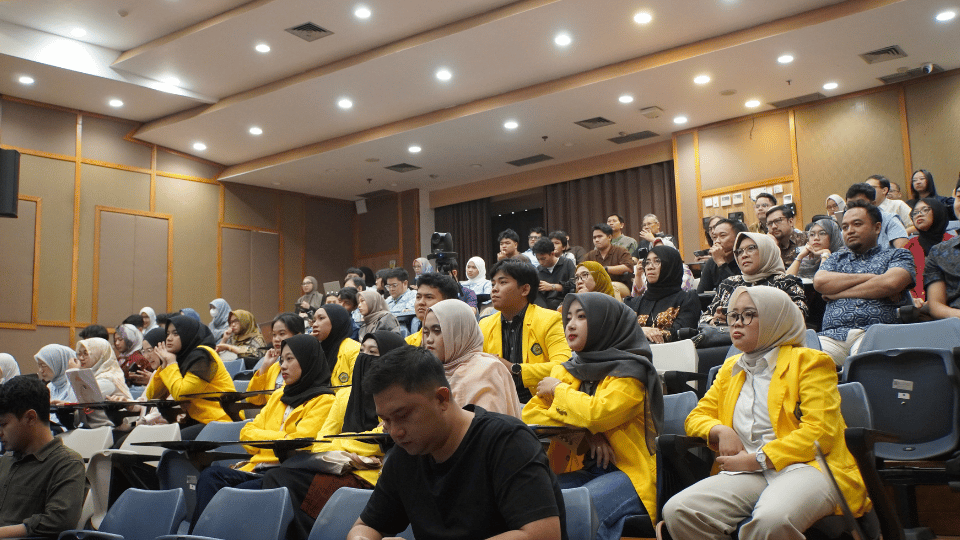
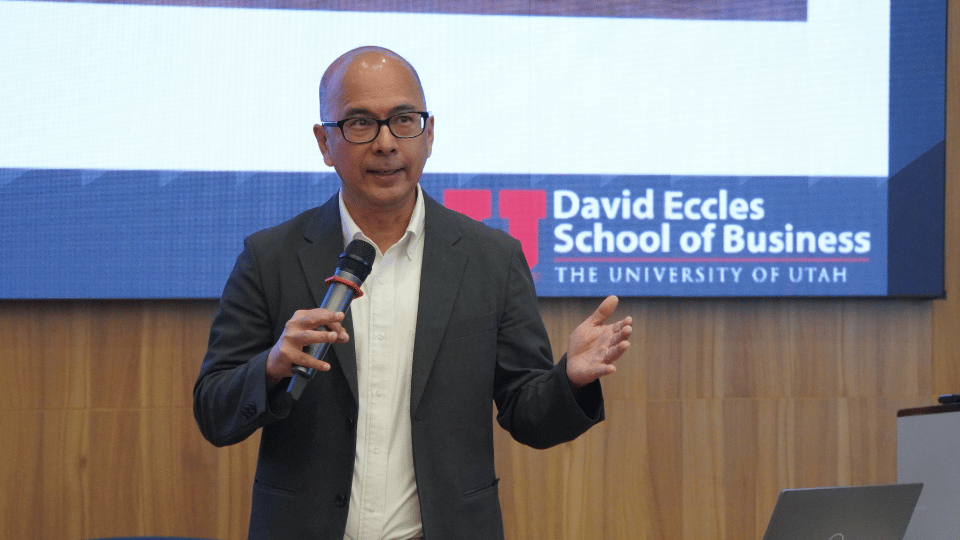
“AI doesn’t think and doesn’t know the truth. AI only recognizes patterns from the data it learns and then generates a response based on the prediction,” explained Prof. Chong Oh, Professor of Information Systems, Academic Director of the Master of Science in Information Systems (MSIS), and Director of the Undergraduate Information Systems Program at the University of Utah, United States, while speaking at a seminar titled “AI for Teaching and Learning” organized by the School of Business and Management, Institut Teknologi Bandung (SBM ITB), in Bandung (June 26).
Chong Oh added that AI’s ability to produce convincing-sounding answers can create the illusion of certainty. This can lead users to trust AI results without proper verification. To promote responsible use, Oh introduced the Human-in-the-Loop concept, which emphasizes humans as the final decision-makers to mitigate AI’s limitations.
According to him, AI should be positioned as a co-pilot, assisting with brainstorming, exploring ideas, and increasing productivity. Meanwhile, humans remain the pilots, responsible for evaluating results, thinking critically, and making decisions.
Oh emphasized that universities need to have clear guidelines regarding the use of AI and strengthen AI literacy so that students and lecturers can utilize it responsibly. According to Bloom’s Taxonomy, the learning process no longer focuses solely on the final result but also on how students achieve it.
“Show me how you work with AI. I will see not only the final result but also the transcript of your conversation with the AI and the process you followed. From there, I can see how you learn. You must be able to use AI correctly,” Oh explained.
Therefore, lecturers will assess not only submitted assignments but also students’ interactions with AI, including chat transcripts and the stages of their thinking. This approach is expected to encourage students to use AI as a learning tool, not as a substitute for thinking.
Previously, Eko Agus Prasetio, Vice Dean for Academic Affairs at SBM ITB, emphasized that artificial intelligence (AI) should be used to improve the quality of learning for both students and lecturers, while acknowledging the various challenges it entails. According to Eko, AI can help us become smarter and better.
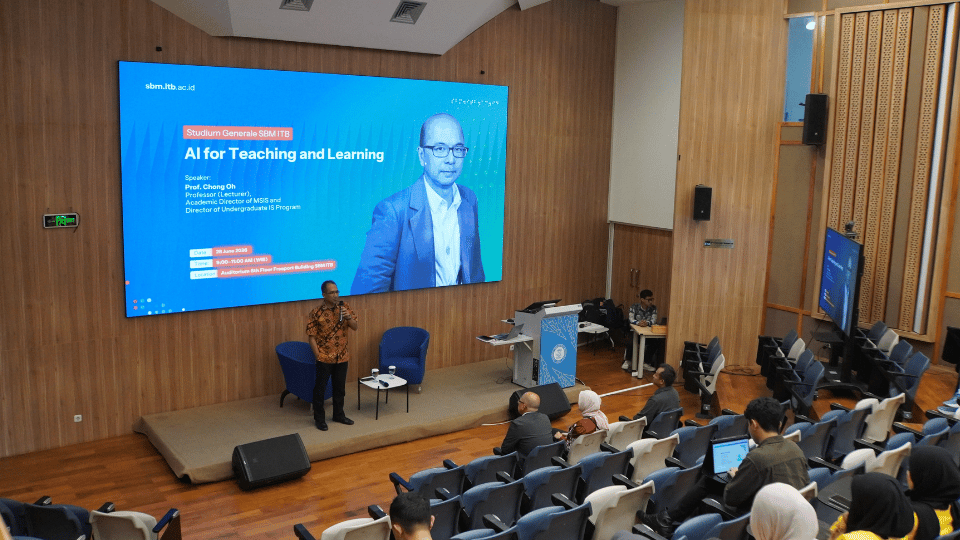
“At the same time, we must be aware of the various potential risks that come with it. I truly appreciate all the participants present today for learning and discussing together, so that we can work to create a better world,” Eko said in his remarks before the seminar began.
SBM ITB encouraged the academic community to utilize AI wisely as a technology that supports the learning process. Amidst the rapid advancement of AI, the ability to think critically, evaluate, and make decisions remains a key human skill. Therefore, AI does not replace humans, but rather becomes a partner that helps create a more effective, reflective, and meaningful learning process.