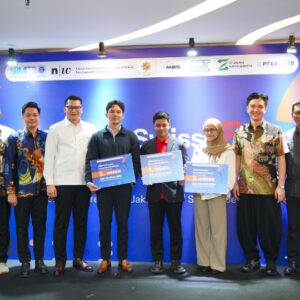
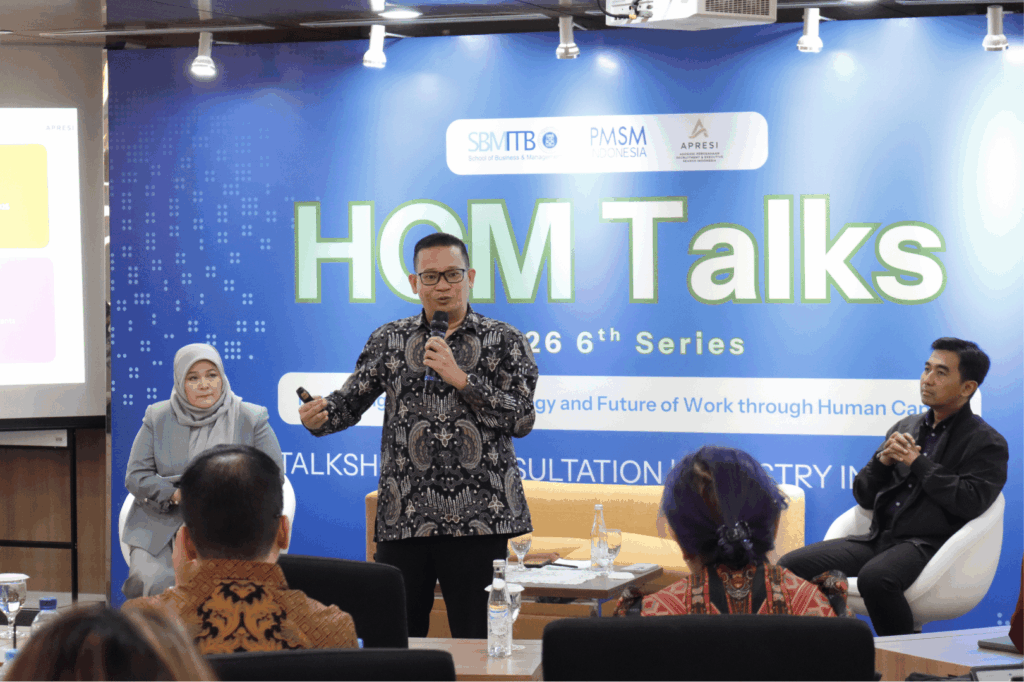
Indonesia’s talent market is currently under pressure due to both national and global economic slowdowns. Additionally, advancements in artificial intelligence (AI) are reshaping expectations within the Indonesian labor market. These issues were the primary focus of Panel Session 1 at the 6th HCM Talks Series, titled “Indonesia Talent Market 2026: From Hiring to Strategic Talent Management in a Competitive Market.” This event was organized by the School of Business and Management, Institut Teknologi Bandung (ITB), in collaboration with PMSM Indonesia and APRESI, and took place at the SBM ITB Campus in Jakarta (June 9).
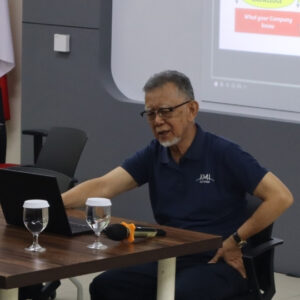
According to Yudo Anggoro, Director of the Center for Policy and Public Management at SBM ITB, various indicators show that Indonesia is facing significant challenges. These include a weakening middle class and a slowdown in the manufacturing sector, which has long been one of the largest absorbers of labor.
“When economic growth slows and job opportunities decline, the effects will be immediately felt on workforce dynamics and the recruitment process,” explained Yudo.
He highlighted the importance of the manufacturing sector in creating quality jobs. According to him, deindustrialization could pose a serious threat because it reduces the economy’s ability to absorb a large workforce. This challenge is further complicated by the fact that the majority of Indonesia’s workforce still comes from primary and secondary education backgrounds, while the workforce increasingly requires more complex skills and adaptability to technological developments.
Yudo also touched on the phenomenon of job hugging, where employees choose to stay with a company not because of strong engagement, but because of job market uncertainty and limited opportunities outside the organization.
“When external job opportunities become limited, many individuals opt to remain in their current positions. This choice is often not due to high levels of engagement or job satisfaction, but rather because of uncertainty in the job market,” he stated.
He emphasized that Indonesia is entering a new phase in workforce management. Millennials are now taking on many leadership roles, while Generation Z is beginning to dominate the emerging workforce. These two generations have different expectations for the workplace, including a desire for flexibility and opportunities for self-development.
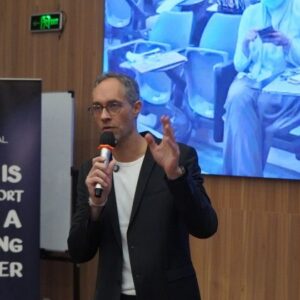
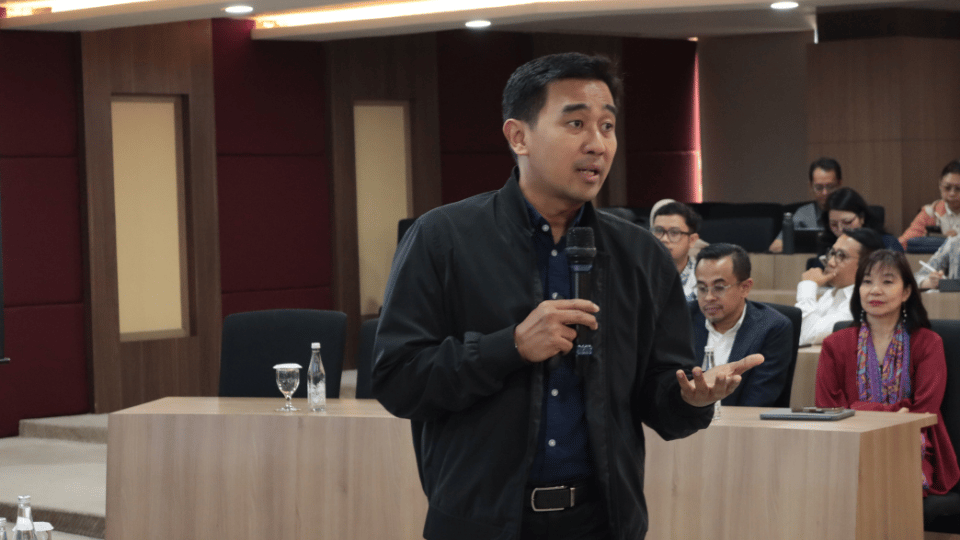
Meanwhile, Bagus Hendrayono, Founder & Managing Director of Talent Hunts Indonesia and General Treasurer & Head of Learning Development at APRESI, highlighted the paradoxes occurring in the current Indonesian labor market. On the one hand, companies’ need for talent continues to grow, and recruitment activities continue. On the other hand, many organizations still struggle to find candidates who meet their business needs.
“Our primary issue isn’t the abundance of talent. Indonesia has a vast talent pool. The challenge lies in whether candidates’ skills genuinely match the needs of companies,” explained Bagus.
According to him, Indonesia is currently facing a high-skill shortage, a limited number of workers with specific competencies required by industry. Many graduates have strong academic achievements but lack skills relevant to the needs of the workforce. As a result, there is a gap between educational outcomes and company expectations.
The discussion also highlighted the increasingly fierce global competition for talent. Bagus revealed that around 78 percent of workers, particularly millennials and Generation Z, are open to working abroad. This phenomenon demonstrates that companies in Indonesia are competing not only with other organizations domestically, but also with global companies offering attractive career opportunities.
Amidst high labor mobility and turnover rates across various industries, companies can no longer rely solely on compensation as a retention strategy. Organizations need to build a work environment that supports employee growth, learning, and well-being.
“Salary is important, but it’s not the only factor. Work flexibility, learning opportunities, organizational culture, and career development are increasingly determining factors in a person’s decision to stay with a company,” said Bagus.
Closing the discussion, Yudo emphasized that improving talent quality must be a shared agenda between the government, educational institutions, and the industrial sector. He believes that organizations that can build a talent machine, a system that consistently produces and develops superior talent, will have a more sustainable competitive advantage.