Behind the glitz and glamour of the fashion industry, only about 1% of clothing is actually recyclable. This information was shared by Yuanita Handayati, a lecturer at the School of Business and Management, Institut Teknologi Bandung (SBM ITB), during a welcome event for six students from the Fashion (Enterprise) study program at the Royal Melbourne Institute of Technology (RMIT) in Bandung (June 24).
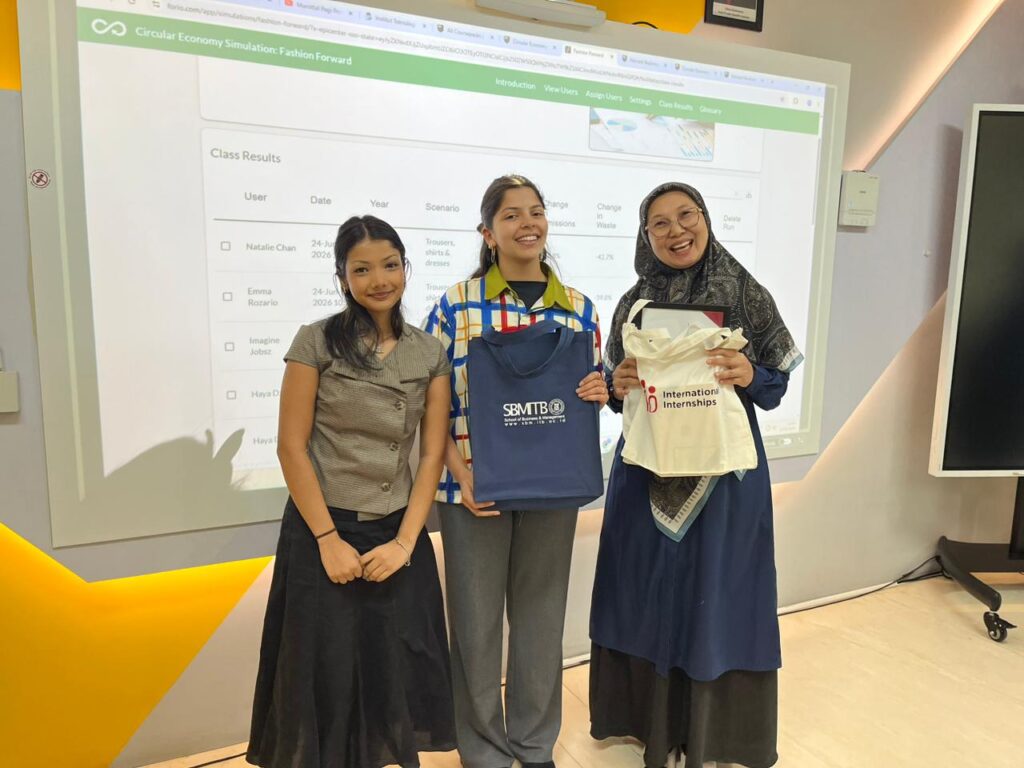
The RMIT students’ visit was part of the New Colombo Plan (NCP), an initiative by the Australian Government that supports Australian students in participating in study and internship programs throughout the Indo-Pacific region. The internship program is organized by International Internships, which has partnered with SBM ITB for over 10 years to provide internships and experiential learning opportunities for Australian students in Indonesia.
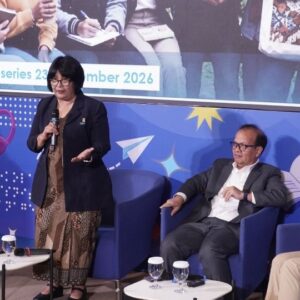
In her opening speech, entitled “Circular Economy Simulation: Fashion Forward,” Yuanita explained that the technical cycle that dominates most fashion products today is only the end-of-life stage, not the recycling stage.
Yuanita emphasized the importance of the Material Circulation Indicator (MCI) concept. She stressed that every decision, from design to manufacturing, should positively impact both the business and the environment. However, Yuanita also pointed out that when focusing on sustainability, businesses must not overlook their performance and should continue to strive for increased profitability.
Meanwhile, as part of a one-month internship program in Indonesia, the RMIT students will spend the first week in Jakarta before continuing their three-week program in Bandung. During their stay in Bandung, they will attend academic sessions at SBM ITB before interning at various local fashion brands, gaining firsthand experience of Indonesia’s creative industry.
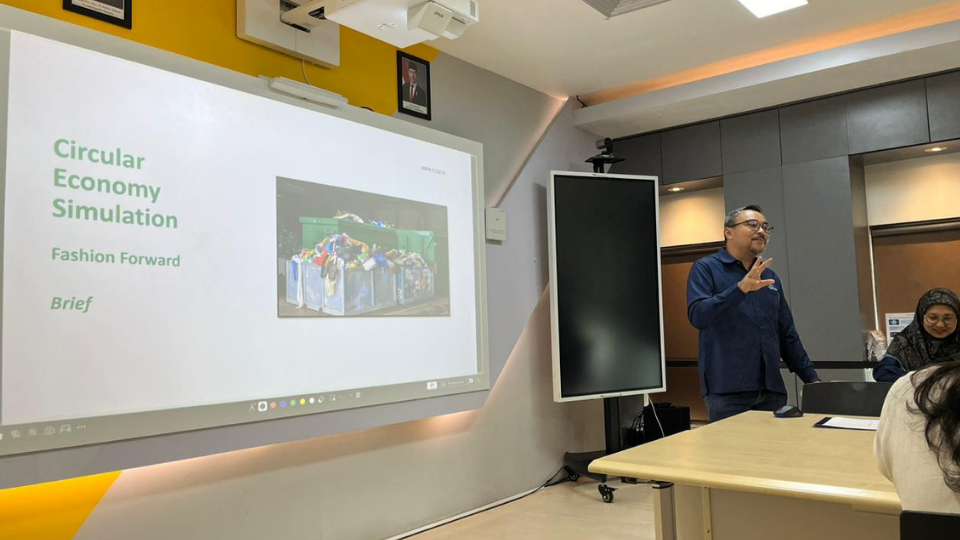
Sonny Rustiadi, Head of the SBM ITB Entrepreneurship Study Program, in his remarks to the RMIT students, introduced ITB’s unique identity, which combines three main pillars or “mantras”: science and technology, art, and business.
“We hope that through this visit, you will all fall in love with ITB, or perhaps with the city of Bandung,” said Sonny. “We are delighted to welcome you to be part of us.”
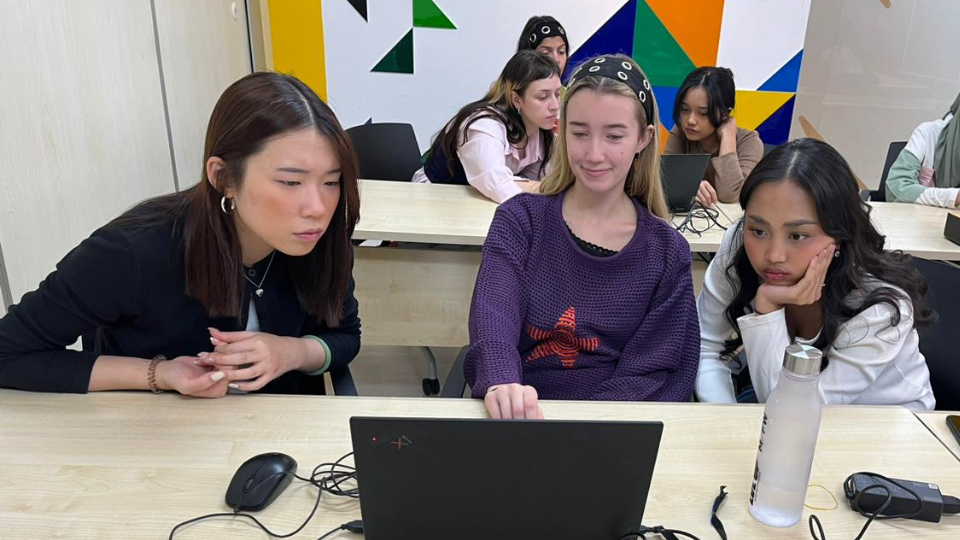
Following the presentation, the RMIT students immediately put their knowledge into practice through an online fashion business simulation game. In this simulation, they were challenged to run a circular fashion business and were required to evaluate and provide feedback after each decision to improve future business performance. The students were very enthusiastic and thoroughly enjoyed the interactive simulation.
After the class session, the students toured the ITB campus. During the tour, they learned various interesting facts about the building’s architecture and the history of ITB.
One RMIT student representative remarked that SBM ITB has a very lively and modern academic atmosphere.
“We really admire how technology and business can be combined in a fun way here,” said an RMIT student representative. “We hope to learn directly from the creative industry in Bandung and bring this great experience back to Australia.”
The trip then continued with a visit to Sugar Souvenirs, a creative business founded by SBM ITB alumni. This business processes waste into various value-added products, demonstrating how circular economy principles can be applied in the business world.
Through this visit, Students gain a real-life picture of how innovation and entrepreneurship can create economic benefits while simultaneously having a positive impact on the environment.