Artificial Intelligence won’t replace humans, but people using AI will replace those who don’t. That’s what’s happening at Ericsson.
Ericsson has integrated AI into its internal systems, from a “smart hiring” process that helps recruiters match skills more accurately, to “Career Hub,” an AI-based platform that suggests personalized learning journeys and global job opportunities for employees.
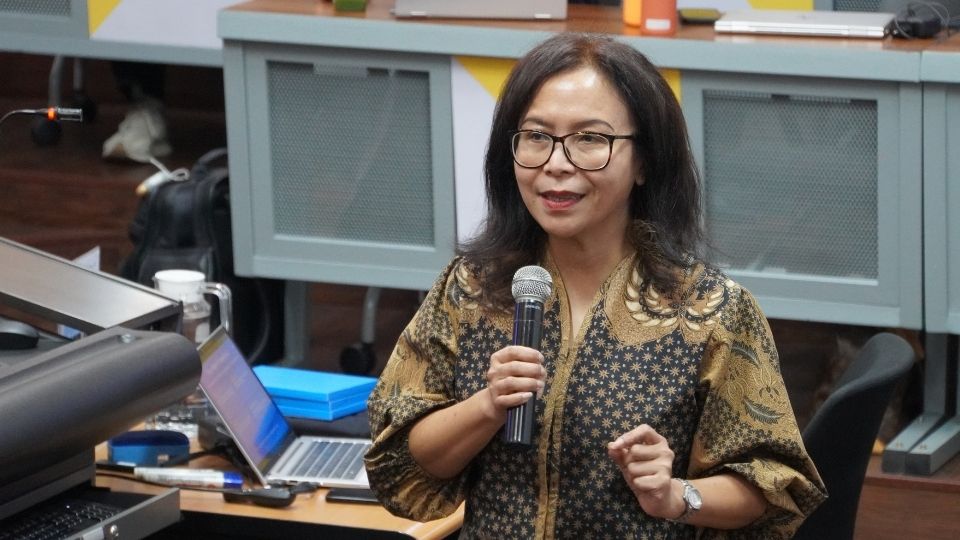
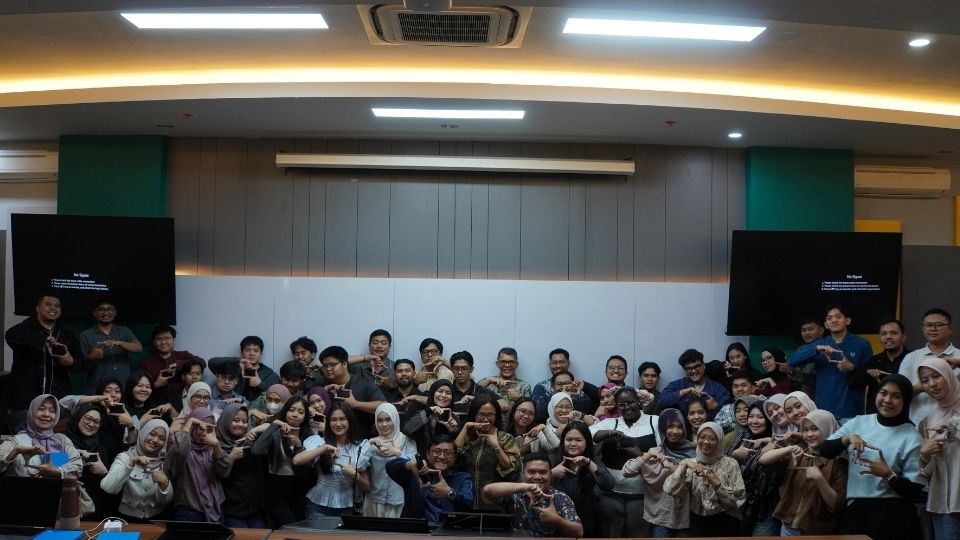
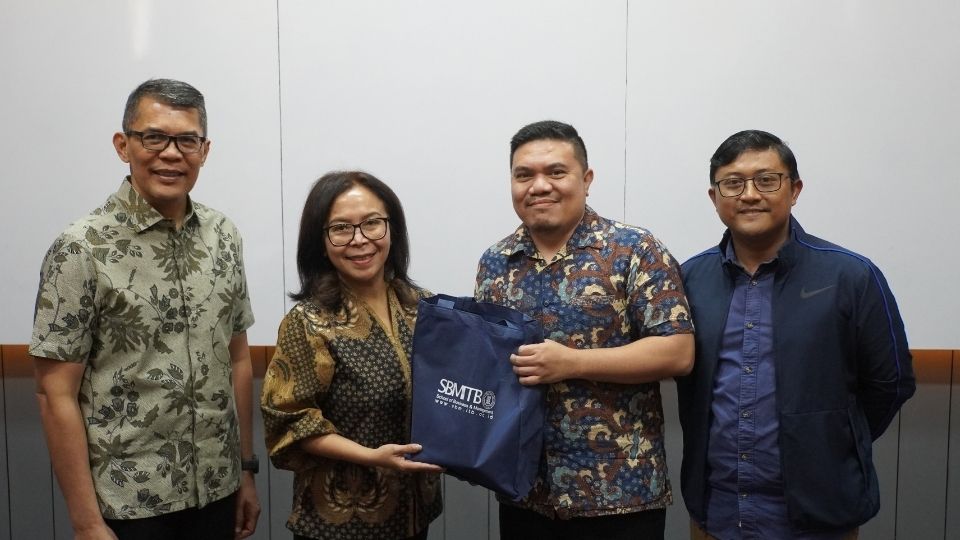
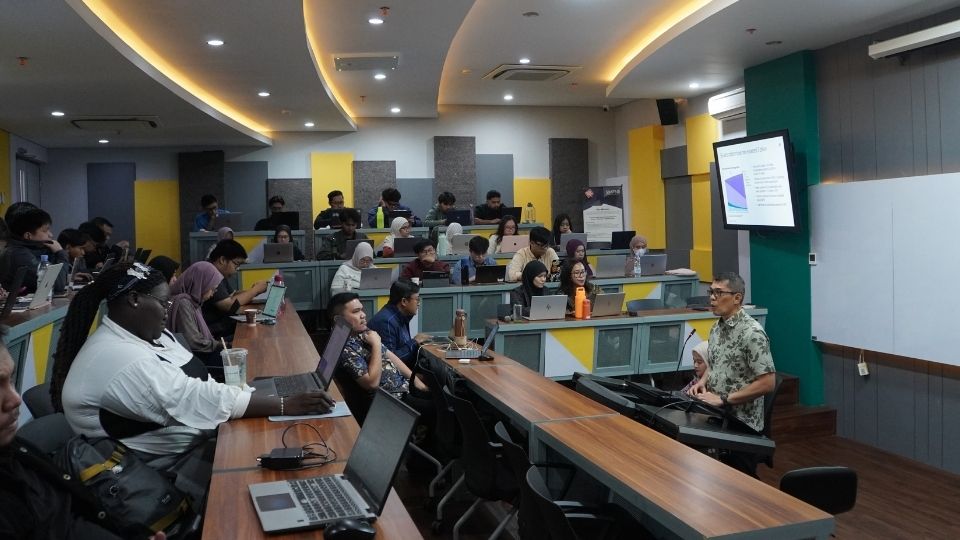
This was stated by Winda Yunita, Head of People, Common Functions for Southeast Asia, Oceania, and India at Ericsson, during a guest lecture and outreach session titled “Ericsson Goes to Campus: Exploring Global Business Challenges, Ericsson’s Products, and Innovation” at the MBA Campus of the School of Business and Management, Institut Teknologi Bandung (SBM ITB) (23/7).
In the guest lecture, Winda also introduced the Ascent Program, Ericsson’s Management Trainee initiative. Unlike many other local programs, Ascent is a regional program covering the Oceania, Southeast Asia, and India (MOAI) market region. Winda encouraged students to look beyond national borders and urged them to develop a “global talent” mindset to compete on the international stage.
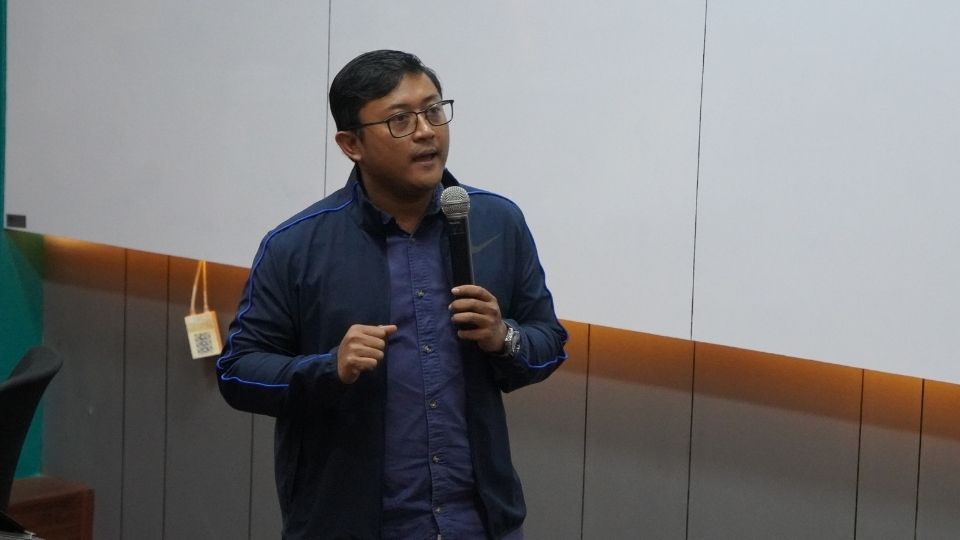
Meanwhile, Ronni Nurmal, Head of Government Industrial Relations at Ericsson, highlighted the economic urgency of digitalization. Every 10% increase in mobile broadband penetration can trigger a nearly 2.8% increase in a country’s GDP.
Ronni acknowledged that Indonesia currently ranks 97th in the world for mobile speed, but he expressed optimism following the government’s recent release of dedicated 5G spectrum. He shared examples of real-world 5G applications being tested at Ericsson’s Innovation Lab, including autonomous vehicles in the mining sector, such as those used by Freeport, and smart port management in Singapore.
Looking ahead to 2030, Ronni introduced the concepts of 6G and the “Cyber-Physical World.” He explained how 6G will go beyond just data speeds and include “Integrated Sensing and Communication” (ISAC), effectively turning cell towers into giant radars capable of managing drone traffic or emergency services with unprecedented precision.
Written by Student Reporter (Cindy R. Meilynda, MSM 2024)