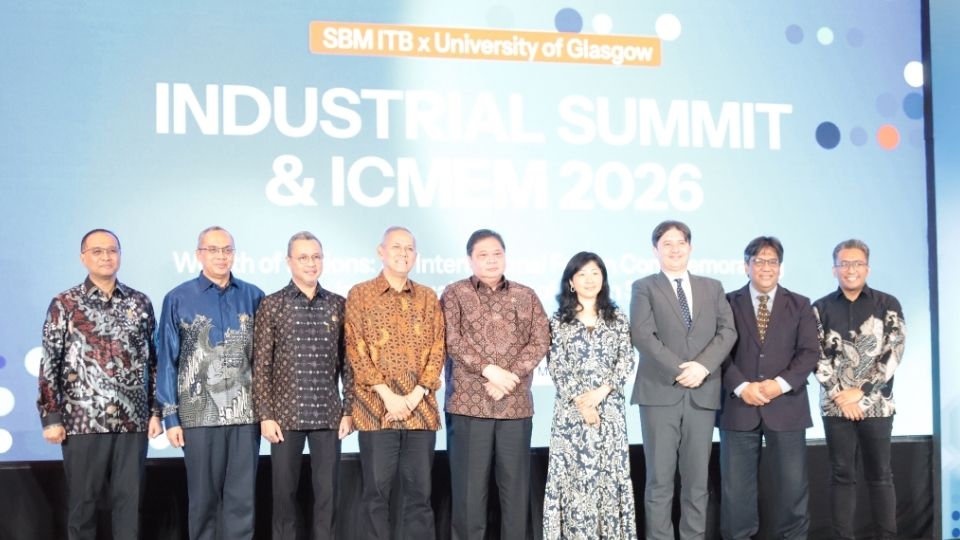
As the global economic landscape becomes increasingly complex, Indonesia must strengthen its industrial competitiveness through innovation, technological capability, and closer collaboration among government, business, and higher education institutions.
That message was highlighted at SBM ITB Industrial Summit 2026, held by School of Business and Management Institut Teknologi Bandung (SBM ITB), in collaboration with the Adam Smith Business School, University of Glasgow, at AYANA Midplaza Jakarta on 19–20 August 2026.
Bringing together government representatives, business leaders, academics, and members of the innovation community, the Summit explored strategies to strengthen Indonesia’s industrial competitiveness amid rapid technological change and evolving global economic dynamics.
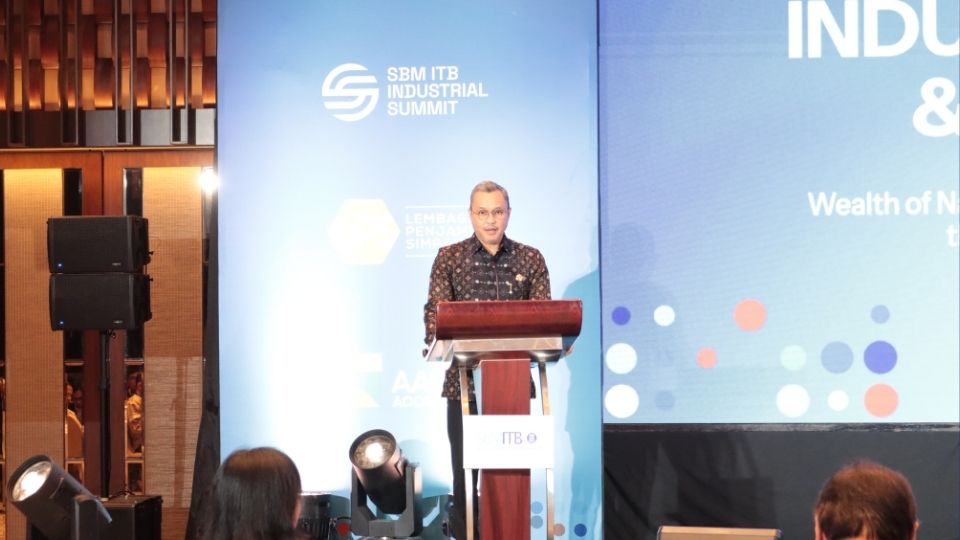
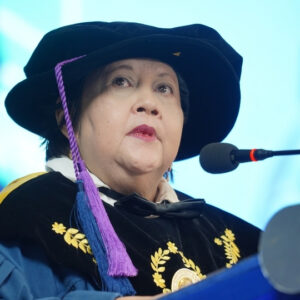
Opening the Summit, Prof. Ir. Lavi Rizki Zuhal, Ph.D. emphasized the strategic role of universities in driving innovation and economic transformation. Universities, he noted, must go beyond education to become active contributors to ecosystems that connect knowledge, innovation, industry, government, and society.
This role is particularly important as industries face rapid technological developments and increasingly complex global challenges. Universities are expected not only to produce knowledge and skilled graduates, but also to contribute research, innovation, and ideas that can address real-world economic and industrial challenges. In this context, stronger connections between academic institutions and other stakeholders are essential to ensure that knowledge can be translated into meaningful impact.
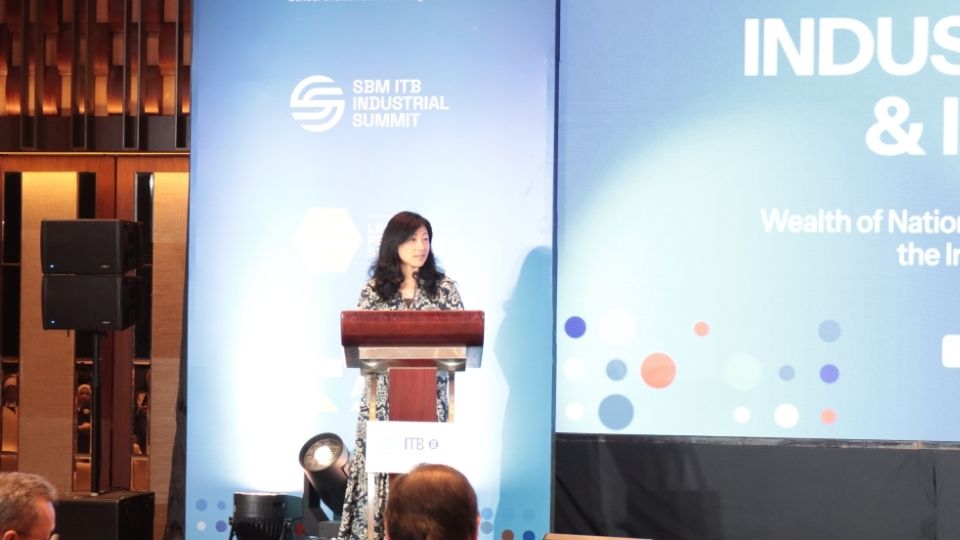
The international dimension of the Summit was strengthened through the participation of Prof. Wendy, Dean of the University of Glasgow, and Dr. Xiang Li, Director of Internationalization at the University of Glasgow. Their participation highlighted the importance of international academic collaboration in addressing increasingly interconnected economic challenges.
The partnership between SBM ITB and the University of Glasgow provides opportunities to exchange perspectives, strengthen academic networks, and explore new approaches to business and economic challenges across different contexts. The collaboration also reflects the growing importance of international partnerships in developing knowledge and capabilities that are relevant to a rapidly changing global environment.
A key highlight of the Summit was the Ministerial Keynote by Dr. (H.C.) Airlangga Hartarto, Coordinating Minister for Economic Affairs of the Republic of Indonesia. He emphasized that Indonesia’s economic transformation requires more than physical infrastructure. Strengthening human capital, innovation, technology, productivity, and domestic industrial capabilities will be essential for Indonesia to create greater value within global value chains.
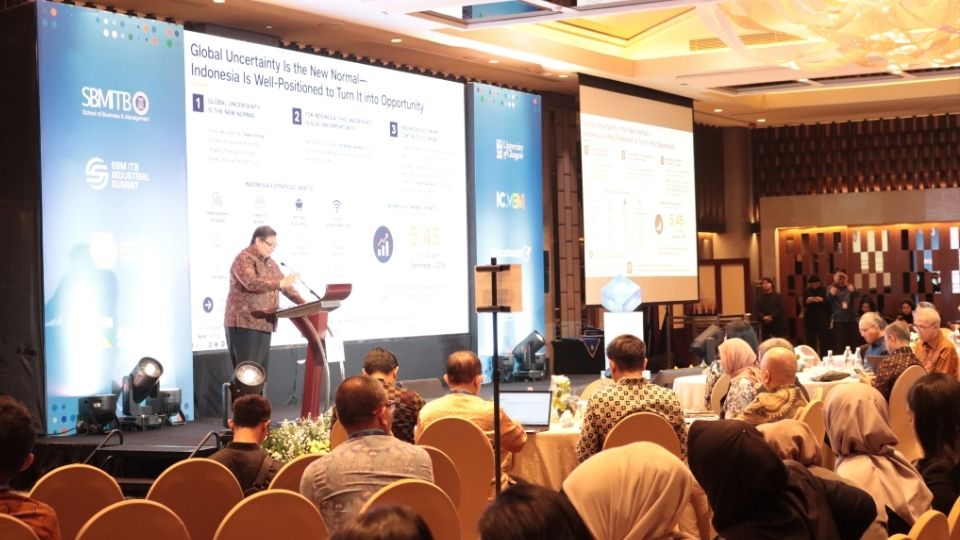
The Minister also highlighted the need for Indonesia to continuously strengthen its competitiveness in response to changes in technology, global supply chains, and international competition. Economic transformation, therefore, requires an integrated approach that connects policy, industrial development, technological advancement, and human capital development.
The discussion reinforced the importance of ensuring that technological progress and economic growth translate into broader opportunities for Indonesian society and businesses. Stronger collaboration between government, industry, and educational institutions can help create an environment in which innovation is encouraged and domestic industries are better positioned to compete internationally.
The Summit provided a platform for government, industry, and academia to exchange perspectives and explore strategic approaches to building a more innovative, adaptive, and competitive Indonesian economy. Rather than addressing these challenges from a single perspective, the forum encouraged dialogue and collaboration among stakeholders with different areas of expertise.
The Summit also formed part of activities commemorating the 250th anniversary of the publication of Adam Smith’s The Wealth of Nations and further strengthened the academic partnership between SBM ITB and the Adam Smith Business School, University of Glasgow. The occasion provided an opportunity to reflect on how ideas about markets, institutions, and economic development continue to evolve in response to contemporary challenges.
The event was held alongside the 10th International Conference on Management in Emerging Markets (ICMEM), themed “Reimagining Global Markets: Embracing Humanities for Sustainable Business.” Together, the two forums created a broader platform connecting academic insights, public policy, and business practice, while highlighting the importance of human-centered approaches to sustainable economic development.
The successful implementation of the Industrial Summit was supported by industry partners, including Lembaga Penjamin Simpanan (LPS) and Medco, whose contributions supported dialogue and collaboration among academia, government, and industry. Their involvement reflects the importance of industry–academia partnerships in creating spaces for knowledge exchange and developing solutions with long-term impact.
As Indonesia navigates an increasingly complex global economy, the Industrial Summit reinforced a central message: competitiveness depends not only on the resources and capabilities Indonesia possesses, but also on how effectively its institutions, industries, and people work together to create sustainable value.
Through initiatives such as the Industrial Summit, SBM ITB continues to strengthen its role as a connector between academic excellence, industry expertise, government, and society. By fostering collaboration and meaningful dialogue, SBM ITB contributes to building the capabilities needed for a more innovative, adaptive, and globally competitive Indonesia.