The School of Business and Management, Institut Teknologi Bandung (SBM ITB), discussed high logistics costs, the importance of research in business decision-making, and changes in startup funding models at the 2026 SBM ITB Industrial Summit in Jakarta. The transportation session highlighted national logistics costs, which reach 15–20 percent of gross domestic product, and Indonesia’s 61st ranking in the Logistics Performance Index.
Tyas Widyastuti, Director of Mobility and Logistics at Grab Indonesia, said big data and artificial intelligence (AI) are increasingly important for matching driver supply with passenger demand. Grab, she stated, operates more than 28,000 electric vehicles in Indonesia through rental and rent-to-own schemes.
“More than 70 percent of Grab trips serve as first- and last-mile connections to public transportation such as the Commuter Line (KRL), MRT, and LRT,” Tyas said.
Mostrans CEO Dr. Berthi Argiyantari highlighted the high number of empty return loads due to the imbalance in the flow of goods between western and eastern Indonesia. He believes that the logistics issue is no longer just about infrastructure availability, but rather system integration.
“Indonesia already has toll roads, ports, and warehouses. What’s missing is the systemic intelligence to unite all these assets into one integrated ecosystem,” said Berthi.
He also said electrifying heavy trucks still faces obstacles. Large batteries can reduce carrying capacity and risk increasing logistics costs.
In the entrepreneurship session, Shoes and Care founder Dr Tirta Mandira Hudhi emphasized the importance of research and data in making business decisions. According to him, businesses cannot expand on instinct alone.
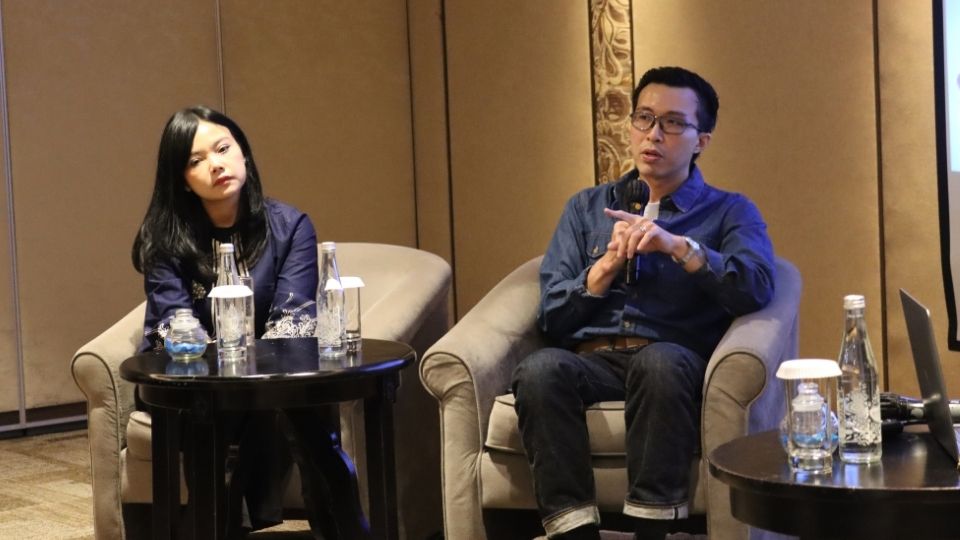
“Business and risk management knowledge trains us to take calculated risks, not gambles. If a risk cannot be calculated or predicted, don’t take it,” said Tirta.
SBM ITB Business Incubator Director Dr Dina Dellyana said entrepreneurs need to understand market needs while trends are still in their early stages. He also believes that obstacles to digital transformation stem more from human resistance than technology.
Meanwhile, Bukalapak Co-Founder M. Fajrin Rasyid said the startup industry changed after the tech winter. Venture capital now places more emphasis on profitability and positive EBITDA than on user growth alone. “Execution is worth far more than ideas,” said Fajrin.
Kuassa Grahadea CEO Kusuf said startups are also starting to seek funding sources outside of venture capital, including through collaborations, B2B business models, and the development of clean-tech and renewable material-based products.
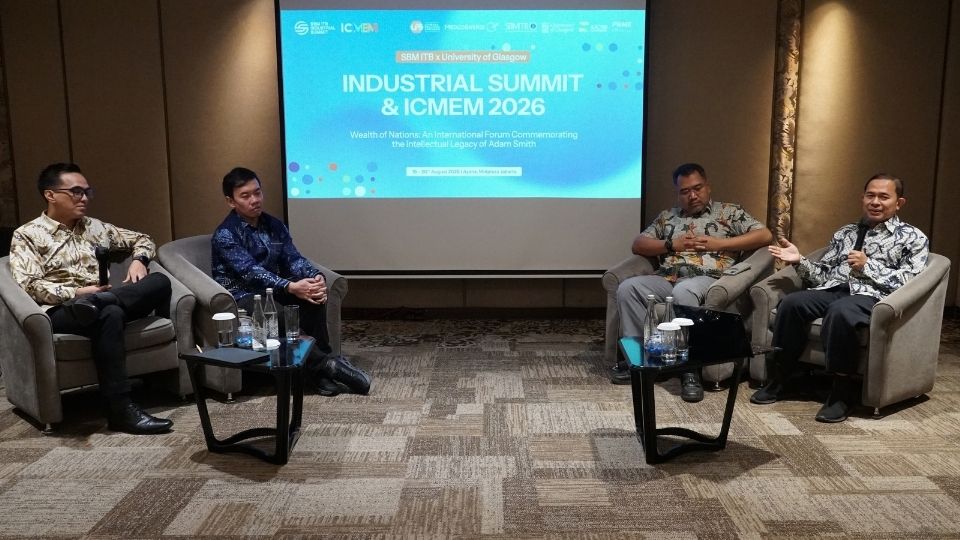
Meanwhile, Professor Wawan Dhewanto from SBM ITB emphasized that the rising number of startups in Indonesia must be supported by a stronger ecosystem. He stated that universities should play an active role in applying research to real-world applications and fostering partnerships with industry, government, and alumni.