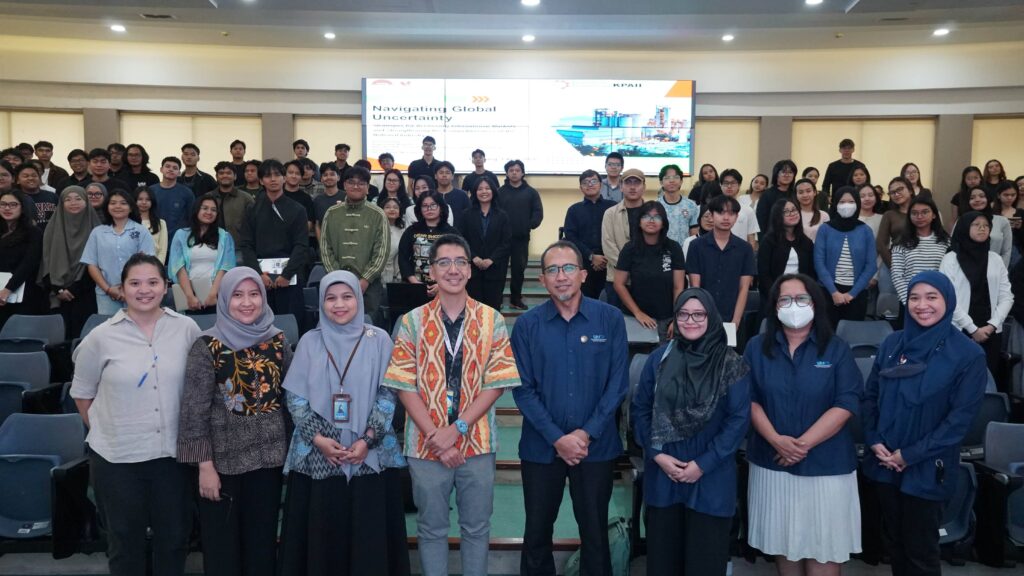
The government is encouraging students at the School of Business and Management, Institut Teknologi Bandung (SBM ITB), to develop export-oriented businesses supported by a strong understanding of international trade.
Bayu Fajar Nugroho, Director of Industrial Resource Access and International Promotion at the Ministry of Industry, stated that global market penetration cannot rely solely on product quality. Businesses must also understand trade mechanisms and their position within the global value chain.
According to Bayu, the government is utilizing various trade agreements, ranging from Preferential Trade Agreements (PTAs) to Free Trade Agreements (FTAs), to reduce export barriers and expand Indonesia’s market access.
However, he emphasized that trade agreements alone are not enough. Geopolitical changes and disruptions to global supply chains require businesses to continue innovating and improving their skills.
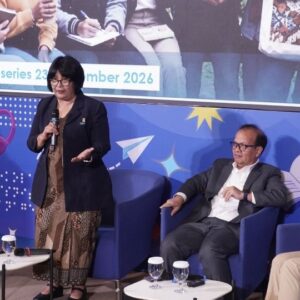
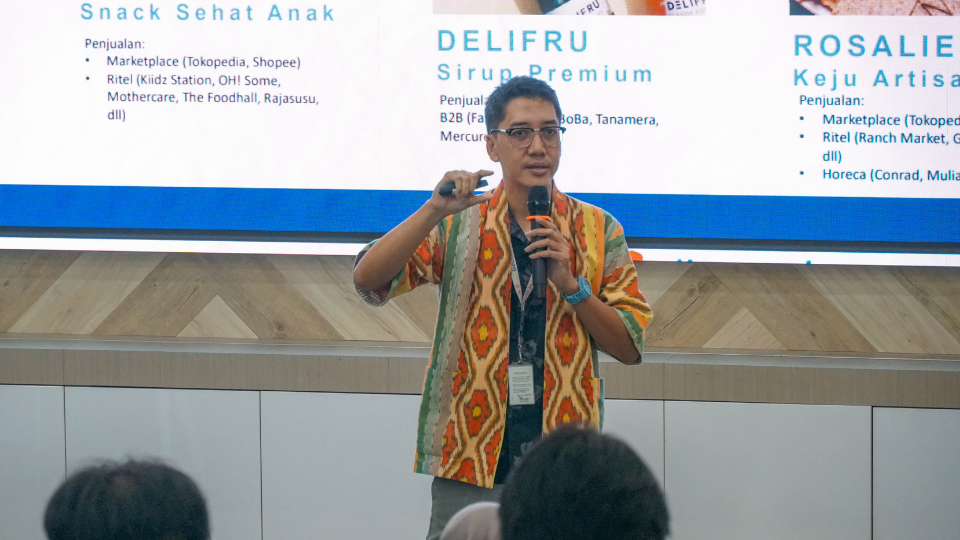
“The production process requires innovation, technology, and the reskilling and upskilling of human resources. Without these, it is difficult to increase product competitiveness and value,” Bayu said during a guest lecture at SBM ITB on Wednesday (April 1).
He also highlighted the importance of downstreaming. He said that developing countries are generally rich in raw materials but often lack processing capacity due to limited investment and human resources.
“If we want to progress, we must move from exporting raw materials to value-added products, including strengthening marketing and service aspects,” he said.
Bayu added that several local businesses, ranging from artisan tea and healthy children’s snacks to premium syrup, have entered modern retail, hotels, and online platforms. To encourage more entrepreneurs to scale up, the government is providing comprehensive support, including financing, raw material supply, and the restructuring of production machinery.
Meanwhile, Eko Agus Prasetyo, Vice Dean of SBM ITB, said this guest lecture was part of the university’s efforts to provide students with a practical perspective on international business.
“We want students to understand firsthand how the government manages international trade and responds to global challenges,” he said.