The Indonesian steel industry’s transition to low-carbon production still faces major obstacles. High energy costs, limited clean electricity, and reliance on foreign technology mean that green steel production is not yet economically competitive.
Prof. Zulfiadi Zulhan, a metallurgy expert from Institut Teknologi Bandung (ITB), stated that hydrogen-based steel technology can reduce carbon emissions. However, its implementation in Indonesia is challenging due to the need for large-scale energy supplies.
For a steel plant with a capacity of 1 million tons per year, power requirements are estimated to reach around 450 megawatts. Of that, more than 360 megawatts are needed for electrolysis-based hydrogen production.
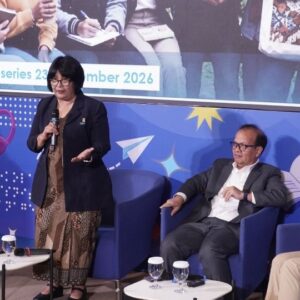
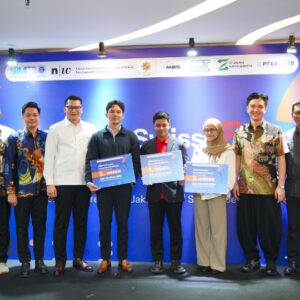
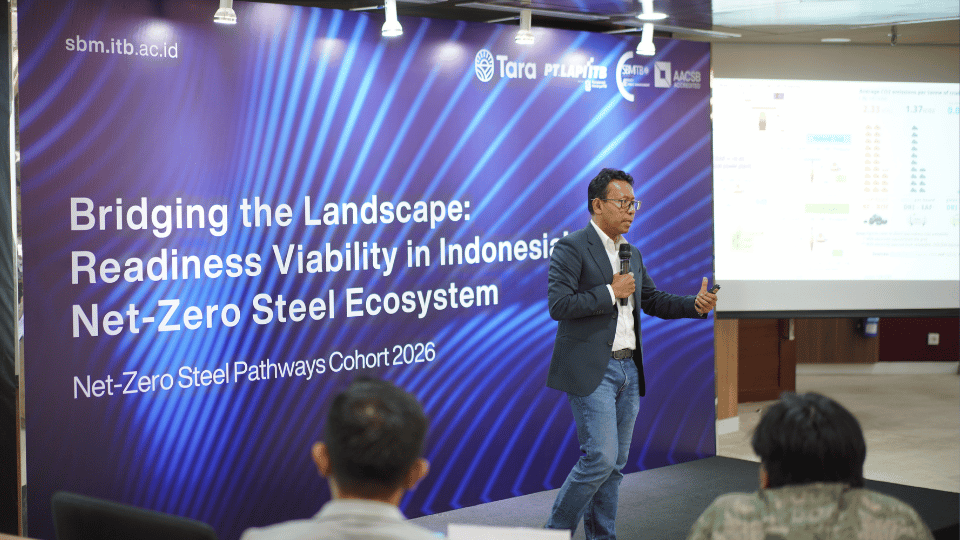
“The implementation of full hydrogen-based technology is currently not economically competitive. The main challenge still lies in energy costs,” Prof. Zulfiadi said at the Grand Final of the Net Zero Steel Pathways Cohort 2026 held by the Center for Policy and Public Management (CPPM), School of Business and Management, Institut Teknologi Bandung (SBM ITB) on Thursday (May 7).
Prof. Zulfiadi mentioned that Indonesia has the potential to develop green iron and steelmaking, particularly through hydrogen-based shaft furnace technology. It is noted that Krakatau Steel has been experimenting with hydrogen technology since the 1980s.
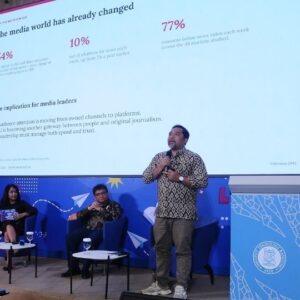
However, according to Yudo Anggoro, M.S.M., Ph.D., Head of CPPM SBM ITB, the green steel transition issue lies not only in technology but also in the market. He stated that higher production costs can increase steel prices and suppress industrial competitiveness. Without market incentives and consumer willingness to pay for low-carbon products, investment in green steel technology will struggle to grow.
“Willingness to pay is a crucial dilemma in this transition,” said Yudo.
Under these conditions, the steel industry’s transition to net zero is deemed to require policies that not only encourage clean technology but also ensure the availability of competitive energy, market incentives, and strengthen national technological capacity.
The steel industry is currently a major contributor to emissions in the materials sector. Each ton of crude steel produces an average of around 2.4 tons of carbon dioxide. Therefore, the steel sector is a key industry in the decarbonization agenda.
However, the transition path cannot be achieved instantly. Blast furnace technology is expected to remain in use until 2050, with various efficiency improvements and reduced emissions. Meanwhile, a more realistic path is a gradual transition from natural gas-based direct reduced iron and electric arc furnaces to hydrogen-based systems.
Another issue arises from electricity sources. Countries with renewable energy sources, such as hydroelectric power plants, are considered better equipped to develop green steel. Conversely, using coal-based electricity can actually increase the steel production process’s carbon footprint.
Indonesia also faces the risk of technological dependency. Countries such as South Korea, Japan, China, and European countries have developed their own low-carbon steel technologies. Meanwhile, Indonesia In contrast, Indonesia remains heavily reliant on foreign technology.