The success of sustainable businesses is not solely determined by technology, innovation, efficiency, or new business models. Understanding the culture, community, local knowledge, and social relationships behind resources also determines the sustainability of economic value.
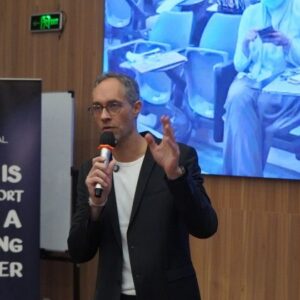
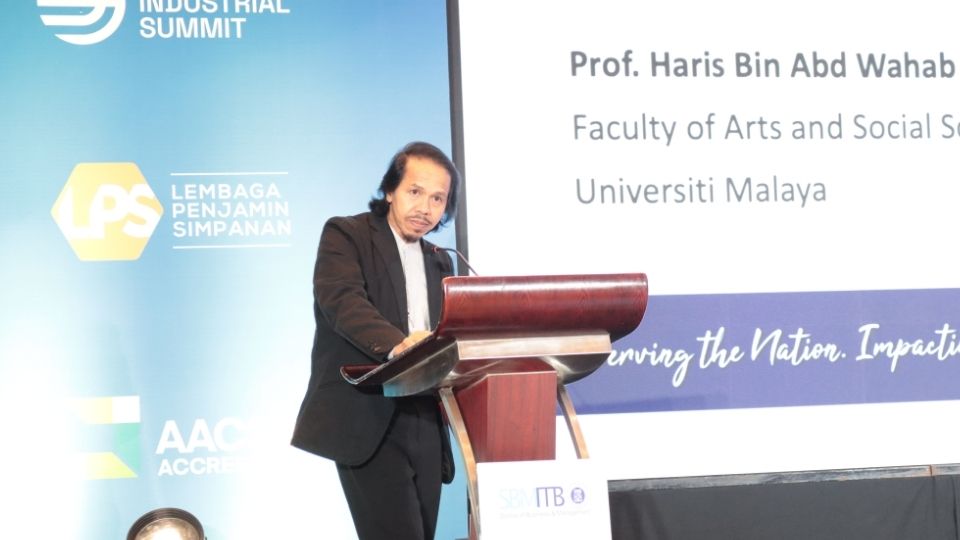
Prof. Haris Bin Abd Wahab from the Faculty of Arts and Social Sciences at the University of Malaya said companies need to broaden their perspectives on sustainability. Good technology will not necessarily have a positive impact if it ignores the community’s social and cultural context.
Haris made this statement at the International Conference on Management in Emerging Markets (ICMEM) held by the School of Business and Management, Institut Teknologi Bandung (SBM ITB), in Jakarta on August 19, 2026.
He cited the development of clean stove technology in Indonesia as an example. Although technically superior, its acceptance does not solely depend on the quality of the technology. In some communities, old stoves are part of the living room and gathering place, and are associated with the taste of food and certain social practices.
Therefore, culture should not be viewed as a soft issue. Culture has economic consequences because it influences how contracts are executed, trust and business relationships are built, and conflicts and negotiations are resolved.
Communities are not merely resources. Traditional ecological knowledge, for example, can have economic value. Communities can act as knowledge partners, innovation partners, and co-creators of value.
Haris formulated three principles for businesses seeking to build sustainable relationships with communities: understand the community before creating the market, respect the culture before extracting the resource, and build relationships before establishing the enterprise.
Humans in the Midst of AI
Meanwhile, Prof. Henndy Ginting from SBM ITB stated that Indonesia’s prosperity amid the development of artificial intelligence (AI) is not determined solely by natural resources, capital, or technological sophistication. Productive people and leadership capable of transforming potential into performance and economic value are increasingly important.
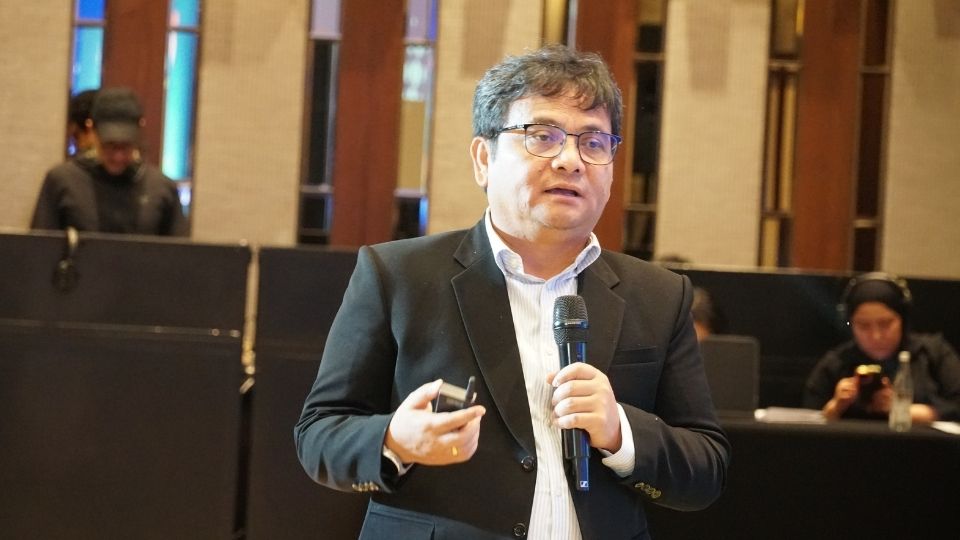
According to Henndy, people, education, capability, and productivity are strategic sources of wealth. Attention needs to shift from below-ground wealth such as oil, coal, and nickel to above-ground wealth: people, knowledge, skills, health, innovation, and literacy.
Productivity, he believes, is the result of the interaction between technology, human capability, and organizational capability. Organizational capability encompasses leadership, systems, design, and organizational culture. Therefore, the same technology may not necessarily produce the same productivity in every organization.
Leadership plays a role in transforming knowledge into action through feedback, modeling, practice, training, reinforcement, and capacity building. A person’s knowledge does not automatically translate into behavior.
AI can indeed enhance capabilities in knowledge processing, analysis, prediction, automation, and content creation. However, several human capabilities remain crucial, such as judgment, trust, meaning, and collective action.
Therefore, a productivity revolution cannot rely solely on technology. It also requires behavioral change, human development, and leadership capable of directing technology to generate value.
In the context of Indonesia heading towards 2045, Henndy believes that increasing human productivity can boost organizational productivity and national competitiveness. Strengthening human capital, workforce capability, managerial capacity, governance, and human development is crucial to this process.
Leadership, ultimately, serves as the link between resources and prosperity: transforming resources into value, knowledge into action, capability into productivity, and national potential into prosperity.
ICMEM is part of the Industrial Summit 2026, a forum that brings together academics, business practitioners, policymakers, and stakeholders to discuss business and management challenges and opportunities in emerging markets. Industrial Summit 2026 is organised by SBM ITB in collaboration with the University of Glasgow, with support from the Deposit Insurance Corporation (LPS) as a sponsor.