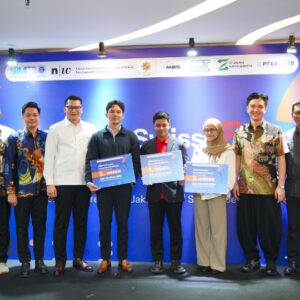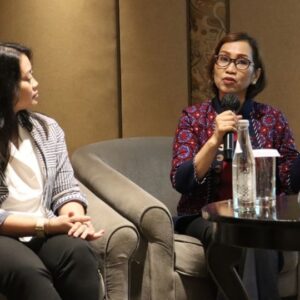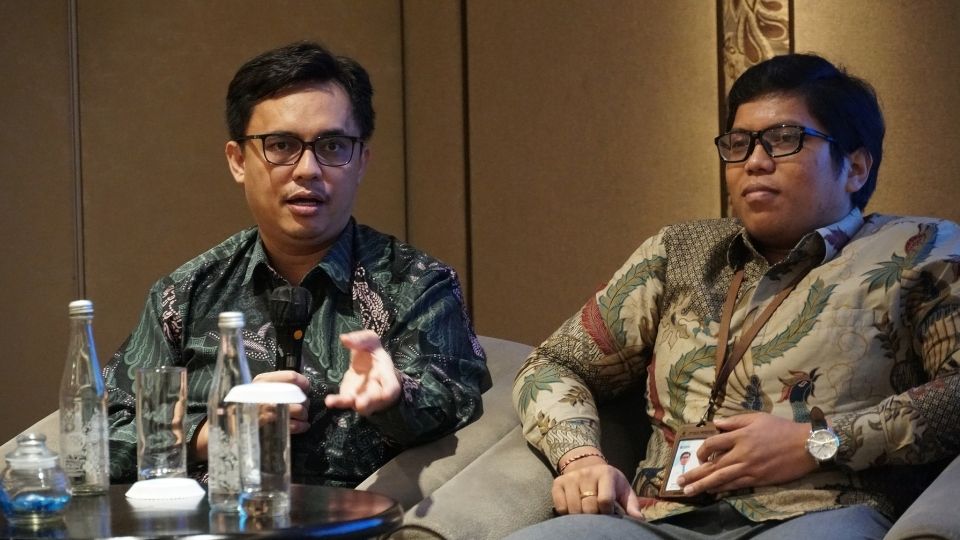
The School of Business and Management, Institut Teknologi Bandung (SBM ITB), along with the University of Glasgow, discussed the challenges of the energy transition, financial literacy, and sustainable property on the second day of the 2026 SBM ITB Industrial Summit in Jakarta. The forum, themed “Wealth of Nations: An International Forum Commemorating the Intellectual Legacy of Adam Smith,” highlighted energy, capital, and land management as part of efforts to strengthen Indonesia’s economic competitiveness.
The 2025–2034 Electricity Supply Business Plan (RUPTL) was a main topic of discussion. Fandi G. Sianipar, Manager of Various Renewable Energy at PT PLN Persero, said achieving 76 percent renewable energy capacity requires an investment of approximately IDR 2,967 trillion.
“We are moving from the planning stage to execution. Programs like ‘Mentari Nusantara’ are designed to bundle projects and expedite the procurement process, but we need a tariff structure that remains bankable for private investors,” said Fandi.
Meanwhile, Mauliate Agustinus Hamonangan Sitohang, Manager of New Opportunities (Exploration) and Technical Support at PT Supreme Energy, highlighted the high risk of geothermal energy development. According to him, the success rate of geothermal exploration drilling is only about 33 percent.
Another issue arose in the financial sector. Speakers highlighted the gap between financial inclusion and literacy. Despite the increasing use of digital platforms, a 14 percent gap remains between those with access to financial services and those who understand them.
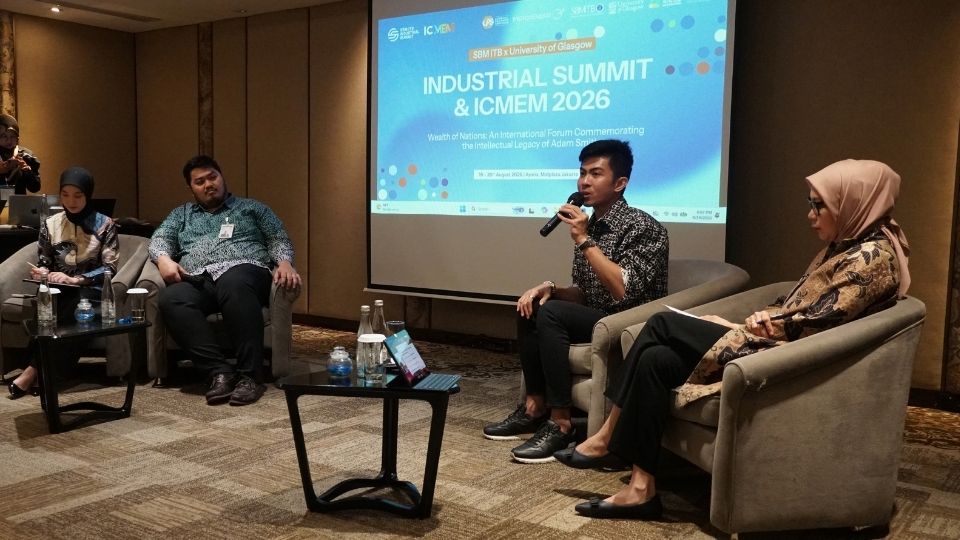
Sucor Sekuritas CEO Bernardus Setya Ananda Wijaya said Generation Z accounts for more than 54 per cent of total capital market investors but controls only 2.8 percent of market assets. This group is also considered vulnerable to the fear of missing out (FOMO) trend and fraudulent investment schemes.
Meanwhile, Banjaran S. Indrastomo, Chief Economist of PT Bank Syariah Indonesia Tbk (BSI), discussed the shift towards universal banking and asset tokenization. He said financial-sector innovation needs liquidity support.
“In Indonesia’s banking-centric economic structure, the future lies in recognizing tokenized non-financial assets as official collateral to create a stable secondary market,” Banjaran said.
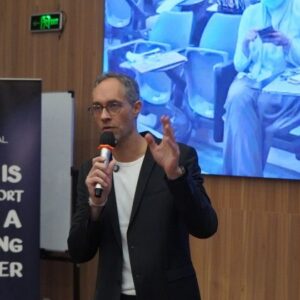
The property sector session discussed how artificial intelligence (AI) affects land values. SBM ITB lecturer Mulya Amri, PhD, presented a thesis titled “The Return of Rent.” He argued that as AI makes labor and capital more abundant, physical land, especially land with a stable electricity supply and connectivity, is becoming an increasingly valuable resource.
“AI is actually a very physical industry. Every data center requires extensive land and massive energy supplies. This is driving the surge in industrial property values in areas like Bekasi and Batam,” Amri said.
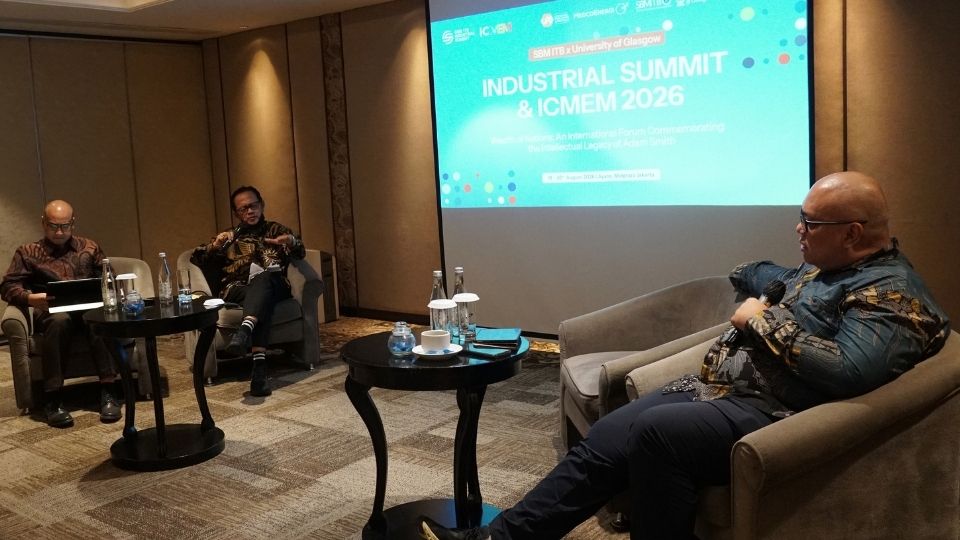
Meanwhile, Sinar Mas Land advisor Ignesjz Kemalawarta highlighted the development of sustainable urban ecosystems from a business perspective. He said green building development requires higher initial costs but is necessary to improve long-term operational efficiency.
Kemalawarta also advocated government fiscal incentives, such as those implemented in Singapore, to encourage developers to meet their net-zero targets.
SBM ITB academics in energy, Dr Yunieta Nainggolan, Dr Sylviana Maya in finance, and Dr Raden Aswin Rahadi in property, emphasized the importance of collaboration among regulators, industry, and academia. This collaboration includes implementing blended finance schemes in the energy sector, developing a protected digital ecosystem in the financial sector, and providing planned serviced land in the property sector.
These three sectors show that the challenges of Indonesia’s transition to a high-value-added economy extend beyond technology adoption. Clean energy availability, capital management, and sustainable land development are also crucial parts of the process.