
-
Eligibility: Indonesian/International graduates with the required entry requirements
Duration: Full-Time – three and four years fixed term
Application deadline: 29 April 2026
Interview date: 4 – 8 May 2026
Start date: August 2026
For further details contact: Prof. Togar Simatupang (Institut Teknologi Bandung) and Prof. Benny Tjahjono (Coventry University)
Introduction
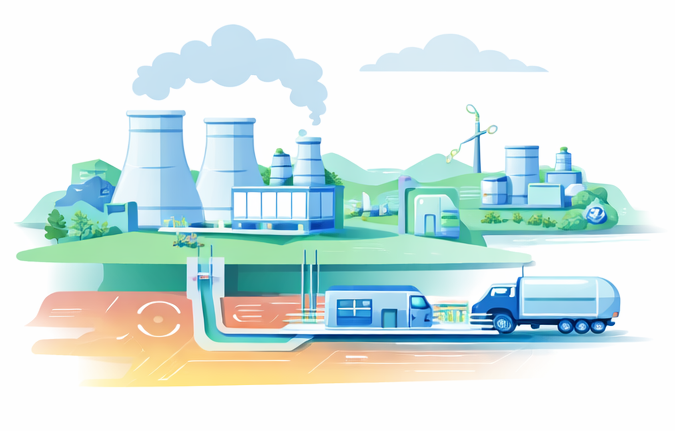
The green hydrogen supply chain consists of several steps required to produce, store, transport, and use hydrogen generated using renewable electricity. Hydrogen technologies play a crucial role in the energy transition because they can replace fossil fuels in sectors that are difficult to electrify, such as steel, chemicals, shipping, aviation fuels, and heavy industry. Unlike grey or blue hydrogen, green hydrogen is produced via electrolysis powered by renewable electricity, for example using geothermal energy.
Geothermal power plants provide continuous electricity and heat, allowing electrolyzers to operate more consistently to split water into hydrogen and oxygen, potentially reducing hydrogen production costs. Geothermal can also improve the efficiency of high-temperature electrolysis technologies, such as solid oxide electrolysis. In some cases, geothermal fluids may naturally contain small amounts of hydrogen that could be extracted.
However, the upstream supply chain of geothermal-based green hydrogen faces significant risks and uncertainties that affect capital expenditure (CAPEX), operational expenditure (OPEX), and other costs.
Project details
This research focuses on supply chain integration and risk mitigation in geothermal-powered green hydrogen production. It involves the identification and management of economic, operational, and logistical uncertainties from resource identification to hydrogen production. The work may include techno-economic and probabilistic modelling to assess cost variability and investment risks, system simulations to evaluate electrolyzer performance and operational reliability under continuous geothermal supply, and network optimization models to address logistical challenges related to hydrogen storage and transport.By integrating these approaches, the research aims to develop decision-support frameworks and optimized supply chain configurations that improve efficiency, reduce uncertainty, and enhance the economic and operational viability of geothermal-based green hydrogen systems.
Possible research objectives include:
- Techno-economic analysis of capital investment, including exploration, drilling, construction, and commissioning.
- Modelling of operational costs, including electrolyzer performance under continuous geothermal supply, variability in geothermal output, maintenance requirements, and resource degradation.
- Identification of logistics and supply chain costs, involving the transportation, storage, and distribution of hydrogen, particularly for remote geothermal sites. Challenges include compressing or liquefying hydrogen due to storage capacity limitations.
- Supply chain integration to combine technical, economic, operational, and logistical models to optimize overall upstream processes.
Funding
Tuition fees and bursary from LPDP, PDDI or potentially ITB/CU
Benefits
The successful candidate will receive comprehensive research training including technical, personal, and professional skills. All researchers at Coventry University (from PhD to Professor) are part of the Doctoral and Researcher College, which provides support with high-quality training and career development activities.
Entry requirements
- A minimum of a 2:1 first degree in a relevant discipline/subject area with a minimum 60 overall module average.
PLUS
- The potential to engage in innovative research and to complete the PhD within 3.5 years.
- A minimum of English language proficiency (IELTS academic overall minimum score of 6.5 with a minimum of 6.0 in each component).
Academic Requirements
Applicants should have a Master’s degree in a relevant field is desirable, including but not limited to:
- Industrial Engineering
- Management Science
- Operations Research
- Operations Management
- Logistics and Supply Chain Management
- Mathematics
- Technology Management
Applicants should demonstrate:
- Skills in quantitative analysis (e.g., modelling and optimisation, statistics, econometrics, or panel data analysis)
- Strong interest in renewable energy transitions and industrialisation
- Ability to work with interdisciplinary research
- Strong analytical and writing skills
- Motivation to contribute to academic publications
Skills and experience in one of the following methods is desirable:
- Data analysis tools (e.g., R, Stata, Python, or NVivo)
- Qualitative research methods (e.g., case studies, interviews)
For more information on the application requirements for ITB, click here and for Coventry University, click here.
Please contact for informal enquiries: Prof. Togar Simatupang (ITB) or Prof. Benny Tjahjono (Coventry University)