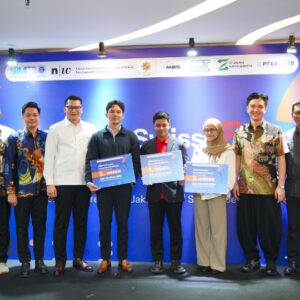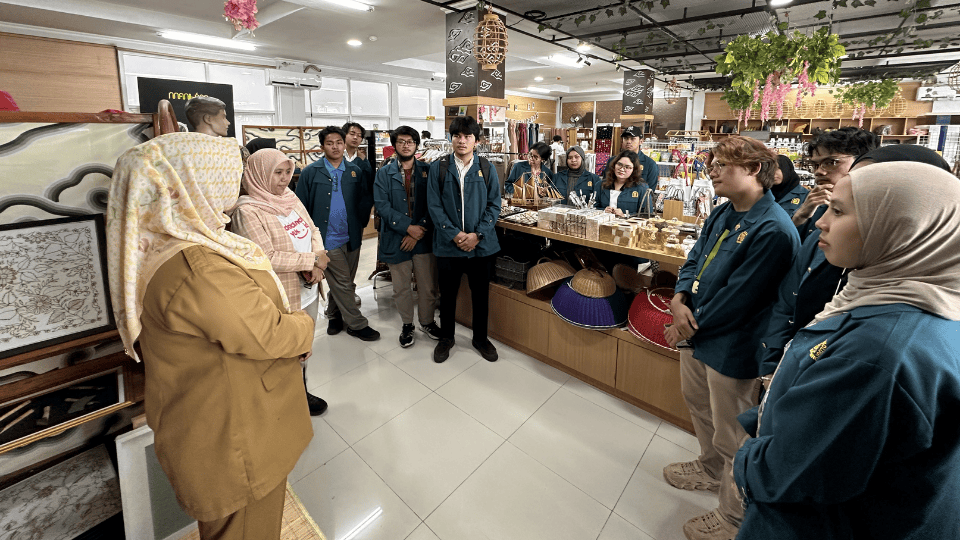
Undergraduate students from the Entrepreneurship Program at the School of Business and Management, Institut Teknologi Bandung (SBM ITB), demonstrated their commitment to community engagement through the Idealogy Cirebon program, a project-based learning initiative aimed at strengthening the local MSME ecosystem.
Unlike previous years that focused directly on MSME actors, this year’s program introduced a broader approach by collaborating with the Department of Cooperatives, MSMEs, Industry, and Trade of Cirebon City (DKUKMPP). Students were tasked with analyzing and proposing strategic improvements for the Cirebon MSME Mall, a one-stop service hub for local entrepreneurs.
The initiative is part of the Design Thinking for Sustainable Business course, which emphasizes real-world problem solving through design thinking methodologies and field-based implementation.
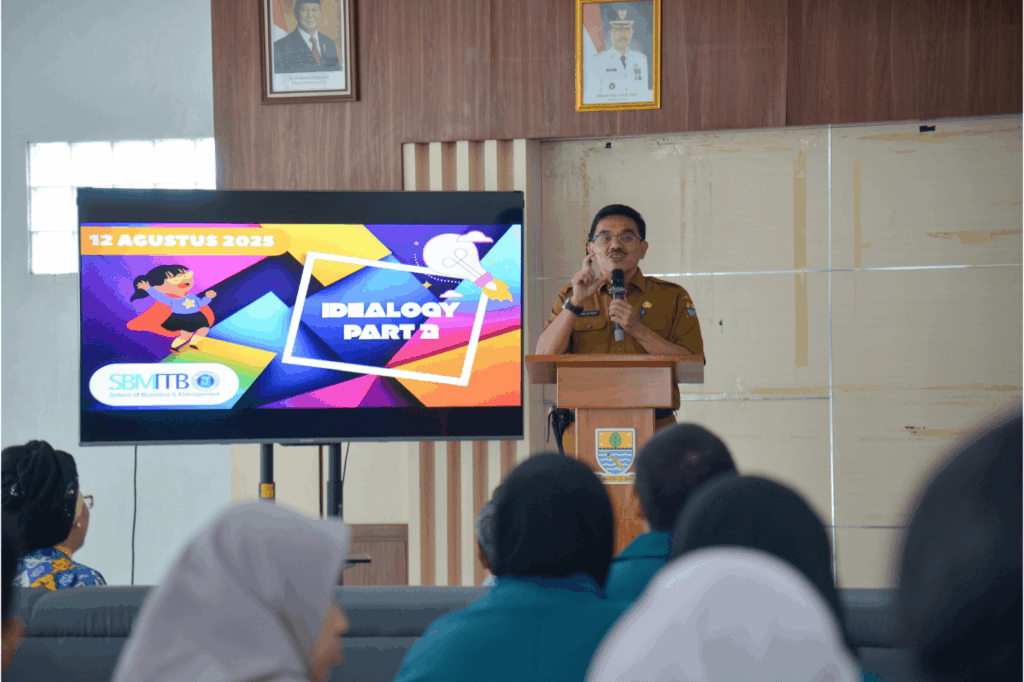
Public Service Transformation as a Catalyst
Under the leadership of Dr. Iing Damian, the department has transformed its office into a more accessible and citizen-oriented public service space. One notable innovation includes extended operating hours beyond typical government schedules, allowing MSME actors greater access to services.
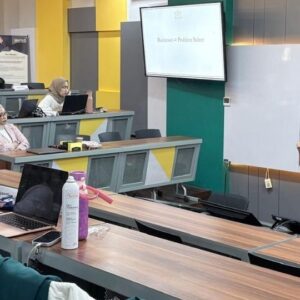
“Collaboration between government and academia is essential in building a sustainable MSME ecosystem,” highlighted during the final presentation session.
This approach represents a progressive model of public service innovation within Indonesia’s local government landscape.
Six Teams, Multiple Dimensions of Innovation
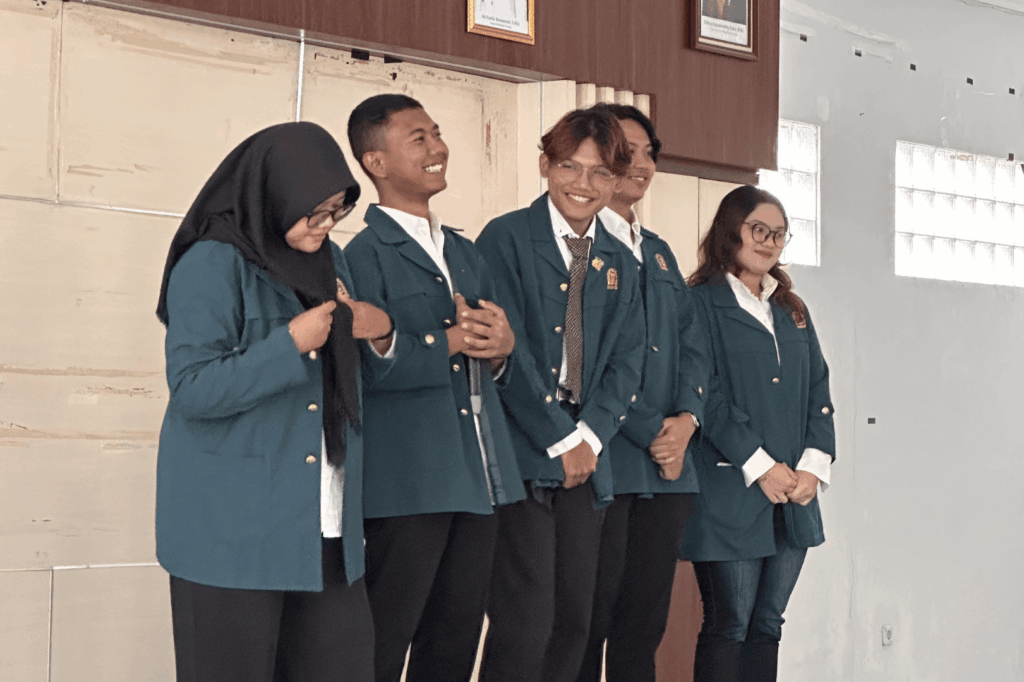
A total of six student groups participated in the program, each focusing on different aspects of Mall UKM development, including marketing, operations, facilities, and system optimization.
Through field observations, stakeholder interviews, and solution testing, students produced actionable and context-driven recommendations.
Key Innovations: Human Capital to Digital Systems
Among the highlighted solutions was the P.R.I.M.A training program, designed to enhance employee capabilities in communication, English proficiency, teamwork, and digital marketing. The program addresses the lack of formal training structures previously identified within Mall UKM operations .
Students also proposed transforming existing facilities into a multi-functional studio, enabling MSMEs to utilize the space for content production, live streaming, and digital promotion .
From a marketing perspective, the “CUMAN” (Maximum Profit in 90 Days) program was introduced to increase visibility through social media campaigns, influencer collaborations, and e-commerce integration .
In addition, a digital supply chain system was developed to improve inventory management, facilitate MSME collaboration, and enhance operational efficiency .
Community Activation and Creative Space Development
The initiative also emphasized the importance of activating community spaces through the revitalization of the “Potret Kita” workshop into a creative hub supported by digital platforms and recurring programs for public engagement.
Experiential Learning in Practice
Through direct engagement with government institutions and MSME stakeholders, students gained valuable insights into the intersection between business operations and public policy.
“This was our first experience witnessing how public policy directly affects day-to-day business operations,” shared one participating student.
Sustaining Impact through Collaboration
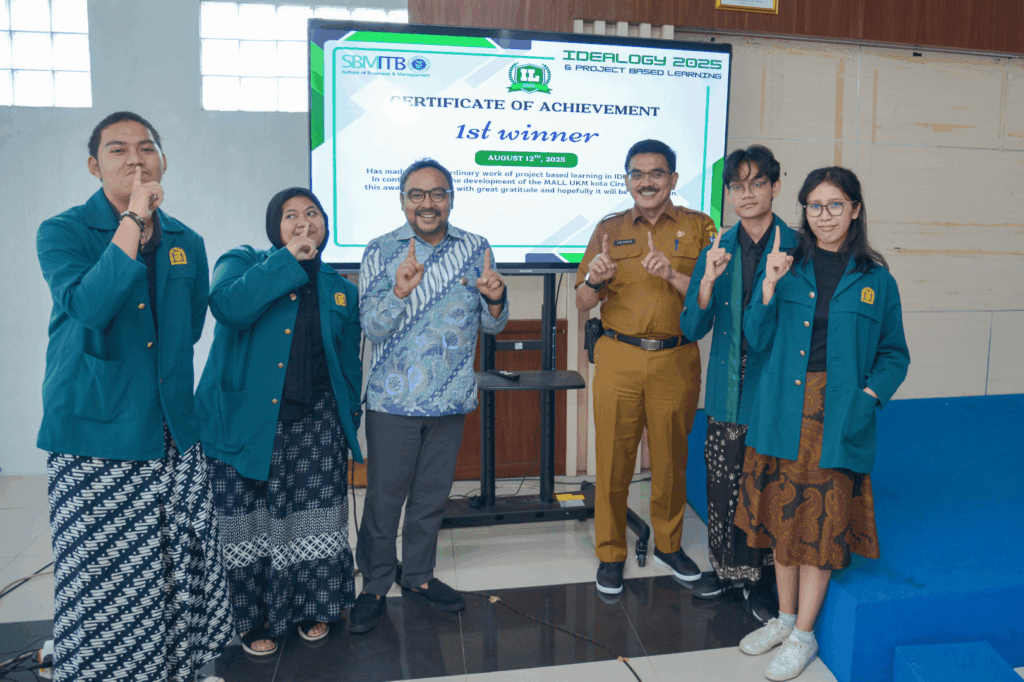
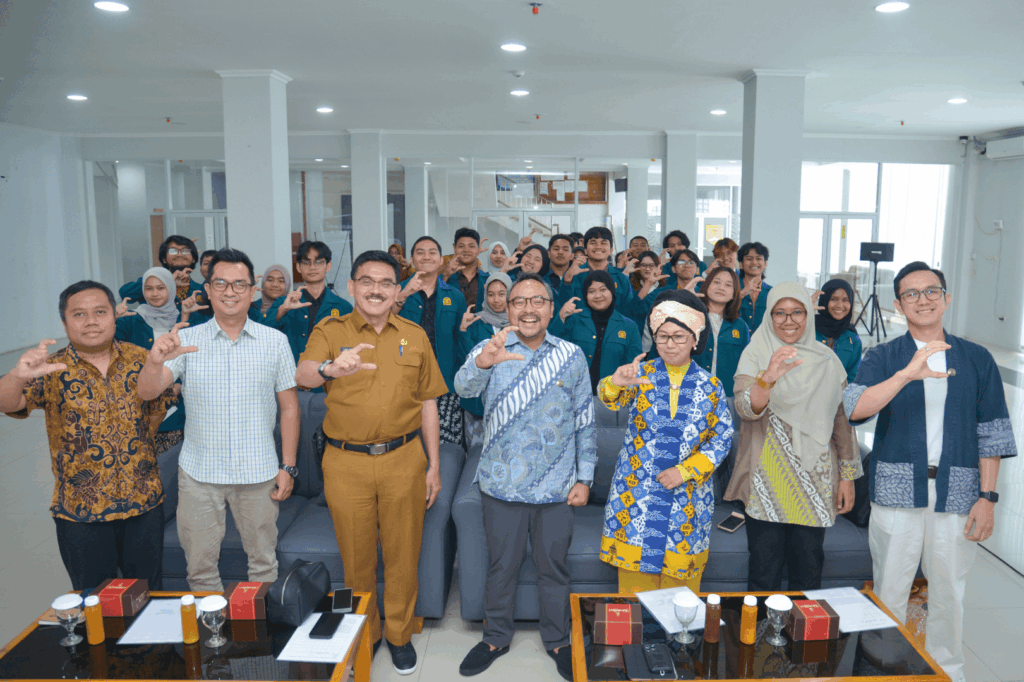
The program concluded with a final presentation and awarding session involving key stakeholders, including local government representatives and financial institutions. The collaboration is expected to continue, contributing to sustainable MSME development in Cirebon.The Ideology Cirebon program reinforces SBM ITB’s commitment to delivering impactful education that bridges theory with real-world application.